Tom Stevenson
Towards
the end of September 2002 I began keeping a record of bird sightings in the
watercress beds.
Throughout the 5 years I have
tried to walk the length between the downstream end of the site and the road
bridge, in both directions on a weekly basis.
Whenever possible I have also visited the top end of the site above the
bridge. All of the species of birds seen
during the visit were recorded. I
pondered for some time if I should include species flying over or just those
seen within the area and decided to include everything observed during the
walk. My thinking was that it would be
very difficult to decide where to draw the line. For example it would seem right to count
swallows low over the water but at what height should they be excluded? It seemed easier all round to count
everything. Also, that Kestrel hovering
overhead might well have landed if I had not been present.
I have covered five complete
years in this note from the first comprehensive listing on
The
photographs were all taken by the author, most of them within the site but some
from elsewhere, locally. They can be
accessed by clicking on the name of the bird if the text is coloured blue. To return to the report use the “back”
button.
2 Systematic list with status of all birds seen in and from
the site
This section lists all of
the birds seen by me during the surveys of the Ewelme Watercress Beds. It should be noted that the information is
based solely on my understanding, knowledge and observations and if any reader
would like to comment on this section of the report contributions would be most
welcome.
I am well aware of other
species, not on the main list, that have been seen, some by me, but have only
included those seen between September 2002 and September 2007. A list of some of the other species is
provided at the end of this report.
The small table gives the
percentages of visits on which the species was seen in the five years covered
by this note and the coloured block at the left hand end gives their official conservation
status.
To explain this, seven quantitative criteria were used by
leading governmental and non-governmental conservation organisations in the
The Red Species List
comprises birds of high conservation concern and the Amber Species List, those
of medium conservation concern. Species
that fulfil neither of these two criteria are green-listed.
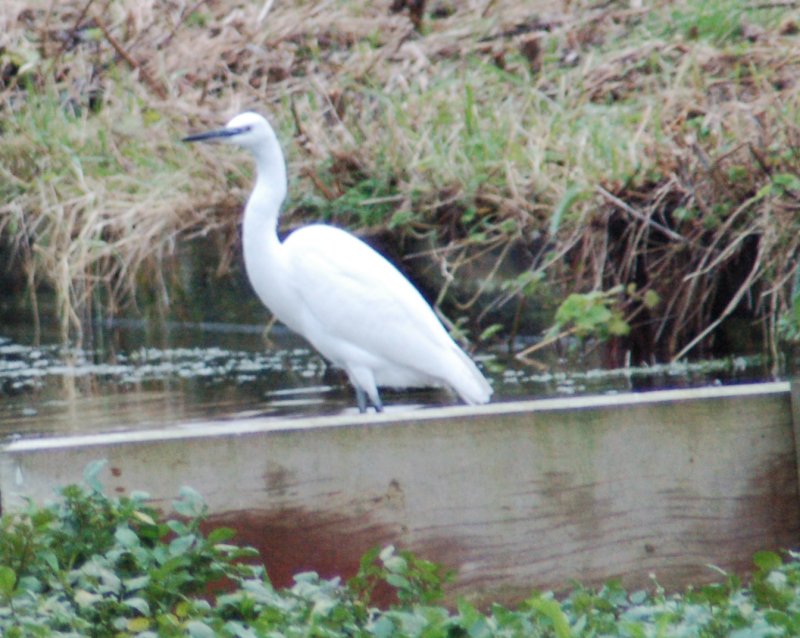
This spectacular addition to the Ewelme bird list turned up
in late August 2007 and must have found the area to its liking as it was still
present into January 2008. At one stage
during the early part of its stay it was apparently joined by a second bird but
it didn’t stay and I never managed to see the two together.
|
A |
2002/3 |
2003/4 |
2004/5 |
2005/6 |
2006/7 |
|
0% |
0% |
0% |
0% |
9% |
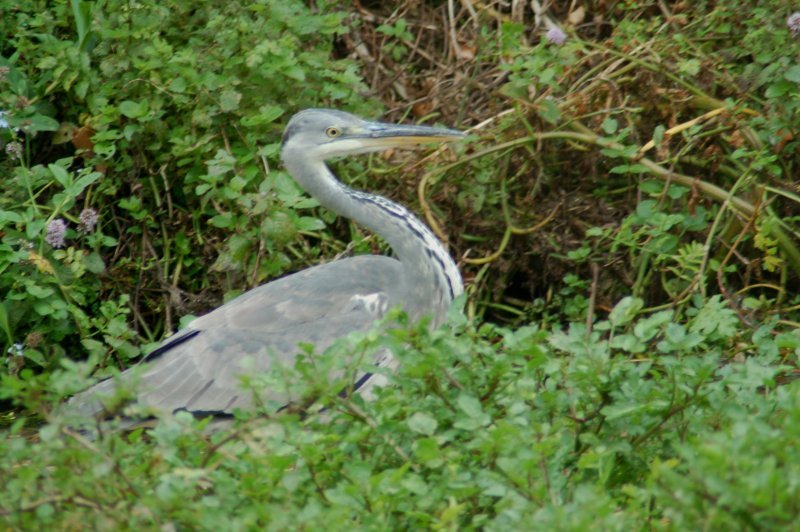
This large grey and white bird with long neck and dagger like
yellow bill used to be a fairly common sight on the beds and in flight over the
village but sightings have steadily declined over the years.
|
G |
2002/3 |
2003/4 |
2004/5 |
2005/6 |
2006/7 |
|
27% |
17% |
11% |
8% |
5% |
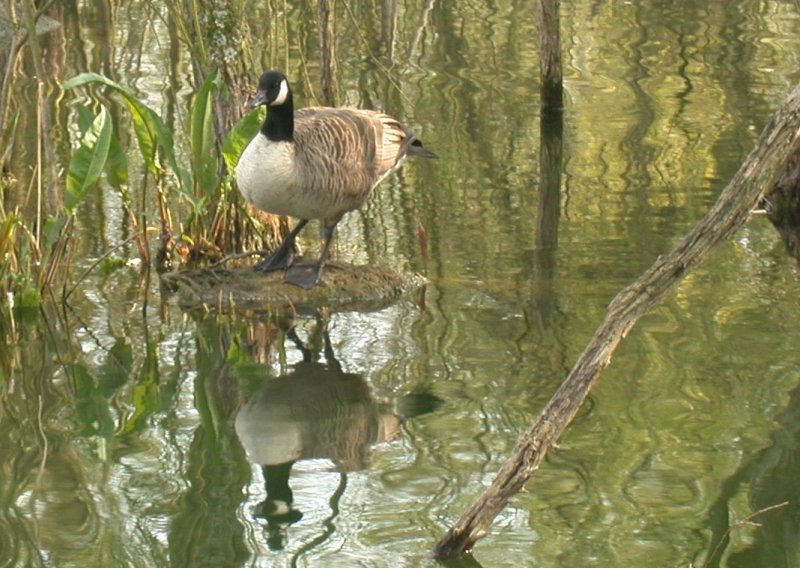
Canada Goose Branta
canadensis
The only wild goose seen from the watercress beds but
perhaps wild is not the best description of this large goose which is present
in this country as a result of introduction from its native
|
G |
2002/3 |
2003/4 |
2004/5 |
2005/6 |
2006/7 |
|
0% |
2% |
0% |
0% |
5% |
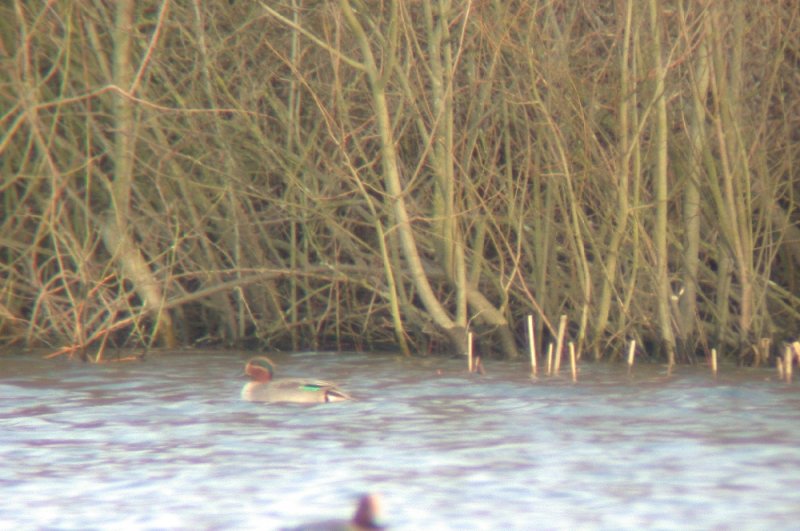
This, the smallest of our native ducks, is a very uncommon
winter visitor to the beds with only a single sighting on
|
A |
2002/3 |
2003/4 |
2004/5 |
2005/6 |
2006/7 |
|
2% |
0% |
0% |
0% |
0% |
|
G |
2002/3 |
2003/4 |
2004/5 |
2005/6 |
2006/7 |
|
71% |
100% |
100% |
95% |
100% |
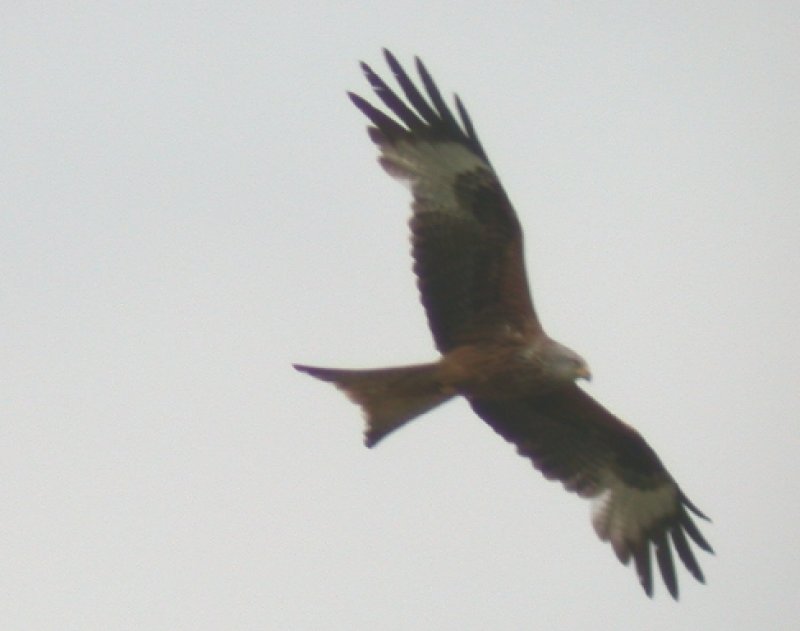
Fifteen years ago it would
have been unthinkable to see this species featured in a list of local bird
species but since the re-introduction programme by the RSPB, English Nature and
Joint Nature Conservation Committee this magnificent raptor is frequently seen
soaring over the cress beds and surrounding area.
|
A |
2002/3 |
2003/4 |
2004/5 |
2005/6 |
2006/7 |
|
49% |
44% |
46% |
60% |
63% |
Numbers of Sparrowhawks have
increased dramatically since the banning of DDT and they are now almost as
numerous as Kestrels, though not so visible.
Sightings increased slightly over the five years from 16% to 22% but the
change was probably not significant with this species spending little time on
the site, views being restricted to a rapid low level hunting pass which is
easily missed.
|
G |
2002/3 |
2003/4 |
2004/5 |
2005/6 |
2006/7 |
|
16% |
20% |
21% |
22% |
22% |
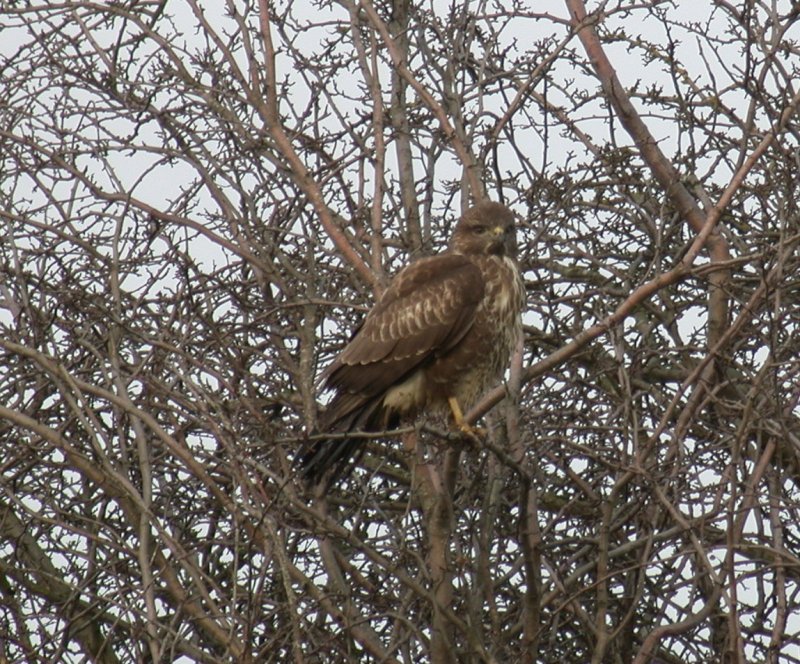
If that large bird soaring
high over the area hasn’t a forked tail it is probably one of these. Numbers of Buzzards have increased as Red
Kites have become established but whether there is a connection is unclear
though probable. The frequency of
sightings fluctuates widely from year to year, probably dependant on the
location of the nearest nest site. During a workday in 2007 six were seen soaring
together over the Watercress Centre.
|
G |
2002/3 |
2003/4 |
2004/5 |
2005/6 |
2006/7 |
|
26% |
9% |
16% |
22% |
15% |
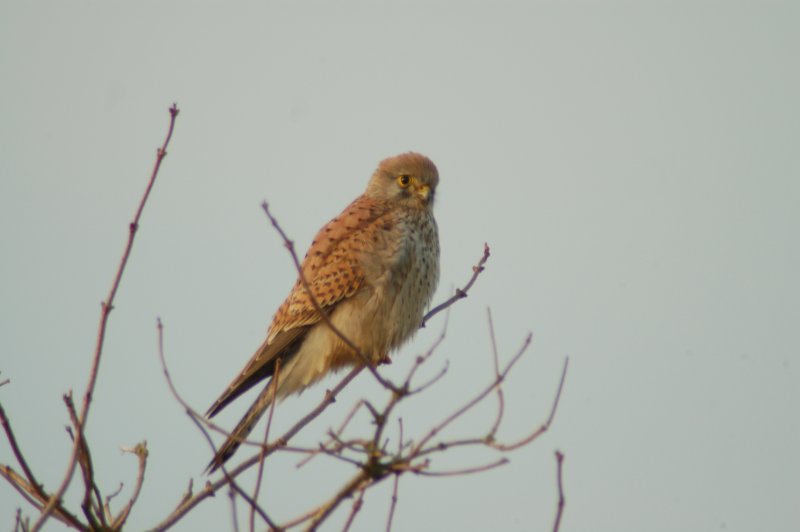
Common Kestrel Falco tinnunculus
The most common raptor in the area, often seen hovering
over the site searching for voles, which constitute a large part of their diet. Most birds of prey have a large hunting
territory which accounts for the differences in observation statistics.
|
A |
2002/3 |
2003/4 |
2004/5 |
2005/6 |
2006/7 |
|
20% |
39% |
23% |
22% |
12% |
Hobby Falco subbuteo
A very rare visitor to the skies above Ewelme. It’s main diet consists of dragonflies but they
will also catch and eat Swallows and Martins.
This latest fact often gives away a Hobby’s presence in the area as the
Swallows and Martins form a close flock and call loudly as they ascend skywards
when a Hobby is hunting locally. Just a
single sighting in each year covered by the survey.
|
G |
2002/3 |
2003/4 |
2004/5 |
2005/6 |
2006/7 |
|
2% |
2% |
2% |
3% |
2% |
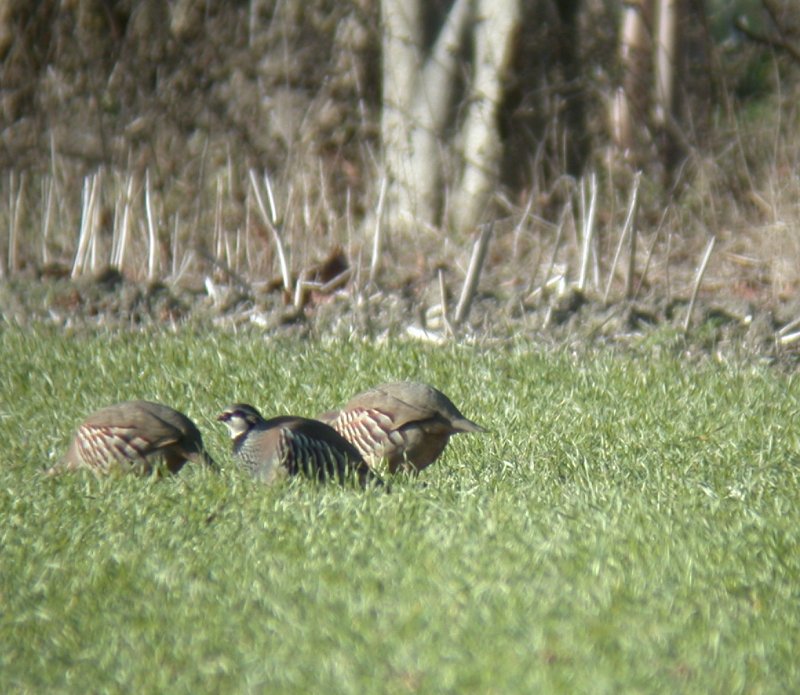
Red-legged Partridge Alectoris
rufa
This, the larger of the two partridges and with a
distinctive black and white face is
fairly common in the fields around the village though not often seen during my
regular visits. This species, introduced
from the continent, is more common than the rapidly declining Grey Partridge,
mainly due to many being bred for release by gamekeepers locally.
|
G |
2002/3 |
2003/4 |
2004/5 |
2005/6 |
2006/7 |
|
4% |
7% |
11% |
8% |
2% |
Grey Partridge Perdix perdix
|
R |
2002/3 |
2003/4 |
2004/5 |
2005/6 |
2006/7 |
|
2% |
0% |
0% |
0% |
0% |
|
G |
2002/3 |
2003/4 |
2004/5 |
2005/6 |
2006/7 |
|
55% |
50% |
48% |
43% |
27% |
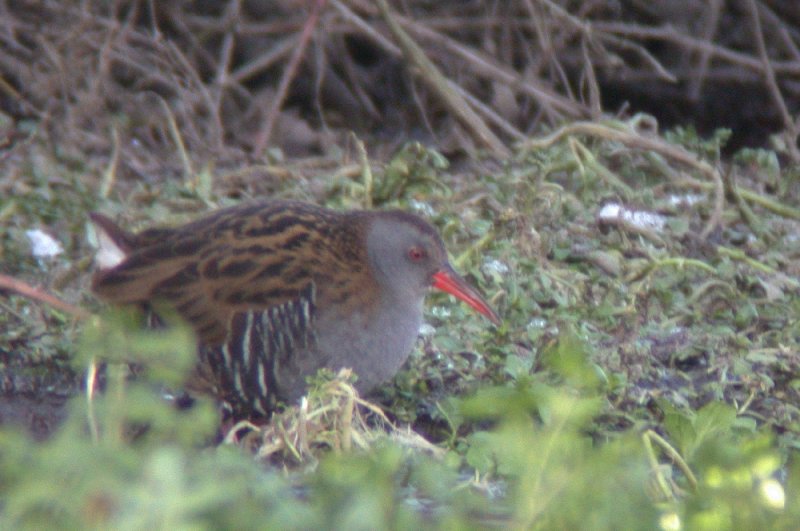
We are lucky enough to play
host to several of these delightful little secretive skulkers during the winter
months. They require thick-reeded
shallow lakes and sedge marshes for breeding and so the watercress reserve is
not suitable but perhaps one day? They
can be very difficult to see but with patience good views of them can be had –
easier in very cold weather when they venture out in the open more. Sightings and winter populations are very
dependent on weather conditions so the rather large variation in sightings may
not be significant, though the very large number of trips when Water rails were
sighted in 2006/7 is pleasing.
|
A |
2002/3 |
2003/4 |
2004/5 |
2005/6 |
2006/7 |
|
24% |
7% |
16% |
19% |
43% |
This common bird of ponds, rivers and almost anywhere wet
can be seen all the way along the beds.
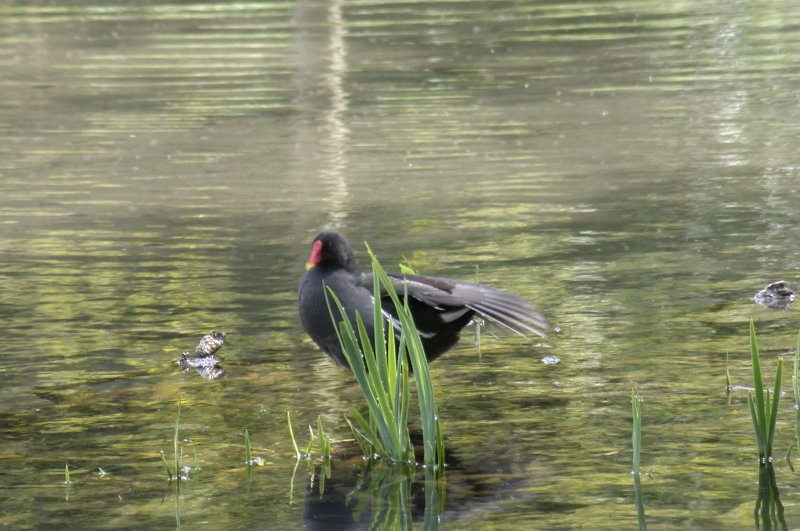
This dark brown and black bird with a red bill and forehead is usually
seen walking along waterside banks with jerking, chicken-like movements of the
head. They breed on the site in small
numbers.
This is one of the first indicators of the presence of Mink on the
site as Moorhen chicks make easy picking.
With such high percentage recording and increasing numbers we can be
fairly certain that Mink are not present and have not been in the last five
years.
|
G |
2002/3 |
2003/4 |
2004/5 |
2005/6 |
2006/7 |
|
84% |
91% |
91% |
95% |
100% |
Golden Plover Pluvialis apricaria
Although
not recorded until the winter of 2005/6 it is more than likely that this was
either bad luck or not looking in the right direction at the right time as they
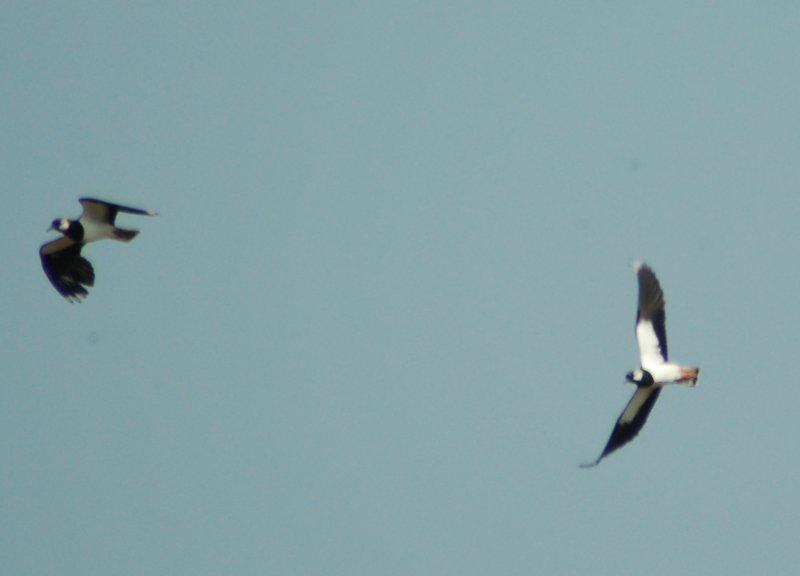
are not an unusual sight flying over the area with Lapwings between feeding and
roosting sites.
|
G |
2002/3 |
2003/4 |
2004/5 |
2005/6 |
2006/7 |
|
0% |
0% |
0% |
3% |
2% |
Sightings
of this attractive wading bird of farmland and wet meadows have been restricted
to small flocks over-flying the watercress beds.
|
A |
2002/3 |
2003/4 |
2004/5 |
2005/6 |
2006/7 |
|
4% |
2% |
5% |
3% |
2% |
Common Snipe Gallinago gallinago
This long billed wading bird can be seen in small numbers
most winters. Unfortunately it is
difficult to obtain more than a fleeting view as they fly up from the lower
beds. Numbers and indeed their presence
at all is very dependent on temperature – during cold icy spells numbers can be
in double figures but as soon as the temperature rises above freezing they seem
to disperse to locations with more available food. Numbers appear to be a declining with only a
single sighting in the winter of 2006/7.
|
A |
2002/3 |
2003/4 |
2004/5 |
2005/6 |
2006/7 |
|
13% |
7% |
14% |
5% |
2% |
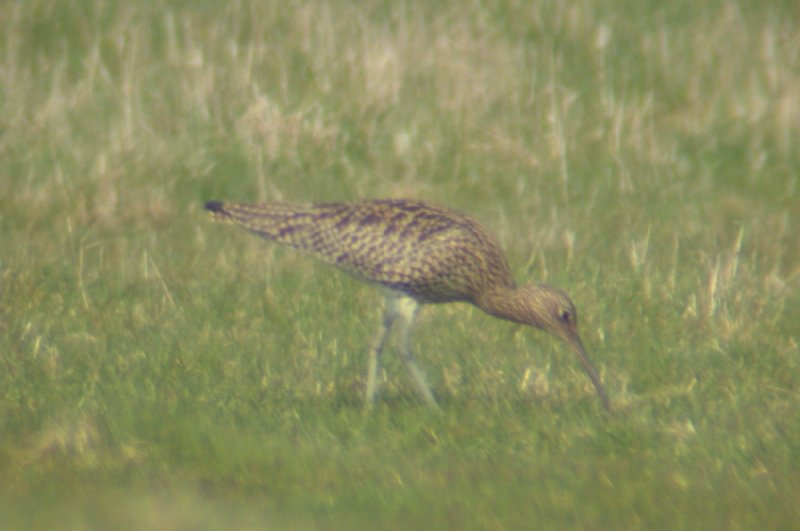
This large wading bird with
a long downward curving bill is more normally associated with muddy coasts and
estuaries but we are lucky to have them breeding close by. The airfield is their favoured site and from
about February to June or July they can be heard over the area. They commute between the airfield and surrounding
damp meadows and occasionally overfly the watercress beds. There is an interesting record of a Curlew on
the airfield sighted on
|
A |
2002/3 |
2003/4 |
2004/5 |
2005/6 |
2006/7 |
|
4% |
9% |
0% |
3% |
2% |
Black-headed Gull Larus ridibundus
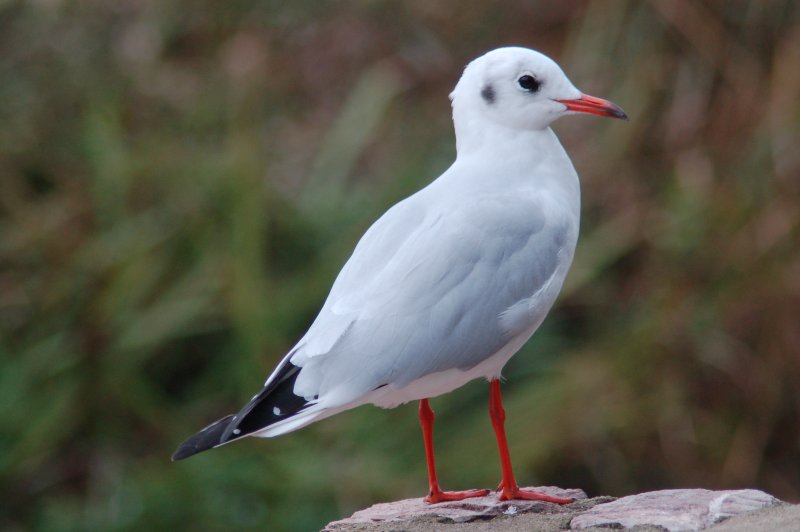
One of the commonest gull in the area is Black-headed Gull
and these are widespread, in the winter months. They can frequently be seen flying
overhead travelling between Oakley Wood rubbish tip and various water bodies. They can occasionally be seen in the summer, but
at this time of the year they are mainly confined to flying along the
river. These summer birds are probably
from the local breeding population from either Radley or Farmoor. This gull's name can be somewhat confusing as
the adults in breeding finery have chocolate brown heads rather than black and young
birds or adults during the first part of the winter have only a dark “smudge”
behind the eye.
|
A |
2002/3 |
2003/4 |
2004/5 |
2005/6 |
2006/7 |
|
13% |
24% |
25% |
11% |
20% |
Lesser Black-backed
Gull Larus
fuscus
Larger than Black-headed Gulls and easily told apart by
their dark upper wings. Commonly seen
flying overhead in the winter and this species tends to occur more frequently
than their smaller cousin in the summer.
These summer birds are normally young birds not yet mature enough to
breed.
|
A |
2002/3 |
2003/4 |
2004/5 |
2005/6 |
2006/7 |
|
15% |
22% |
34% |
38% |
42% |
Herring Gull Larus argentatus
Larger than Lesser Black-backed Gulls but not so common away
from water. Probably occurs more
frequently than recorded but I do not find high flying individual Gulls that
easy to identify – in fact only a single record in 2004/5.
|
A |
2002/3 |
2003/4 |
2004/5 |
2005/6 |
2006/7 |
|
0% |
0% |
2% |
0% |
0% |
Feral Pigeon Columba livia
This species, better known in city centres, can often be
seen in the area. They have been seen on
hanger roofs at RAF Benson and over Ewelme village. This name tends to be used for any
pigeon/dove that is not one of the other recognised species and covers racing
pigeons and various hybrids.
|
G |
2002/3 |
2003/4 |
2004/5 |
2005/6 |
2006/7 |
|
11% |
4% |
25% |
19% |
24% |
Stock Dove Columba oenas
This small relation of the Woodpigeon is best distinguished
by the lack of white on the neck and wing and it’s generally blue/grey
appearance. Stock Doves nest in holes in
trees and are closely associated with farmland where they feed on seeds and
grain. With the changes in farming
practices this species is in serious decline but can still be seen fairly sometimes
over the beds.
|
A |
2002/3 |
2003/4 |
2004/5 |
2005/6 |
2006/7 |
|
9% |
15% |
7% |
3% |
10% |
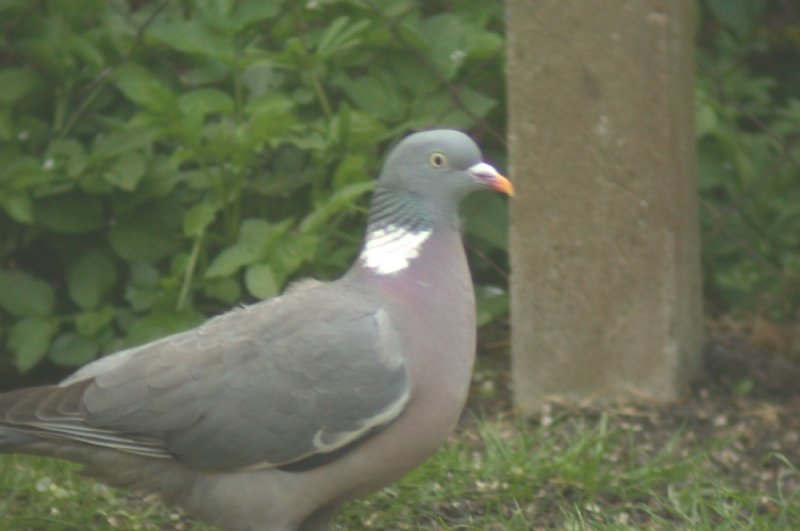
The white neck flash and broad white wing bar across the
open wings easily identifies this, the largest of the pigeons. It is a common species throughout the area
and can occur in very large numbers.
|
G |
2002/3 |
2003/4 |
2004/5 |
2005/6 |
2006/7 |
|
98% |
96% |
96% |
100% |
100% |
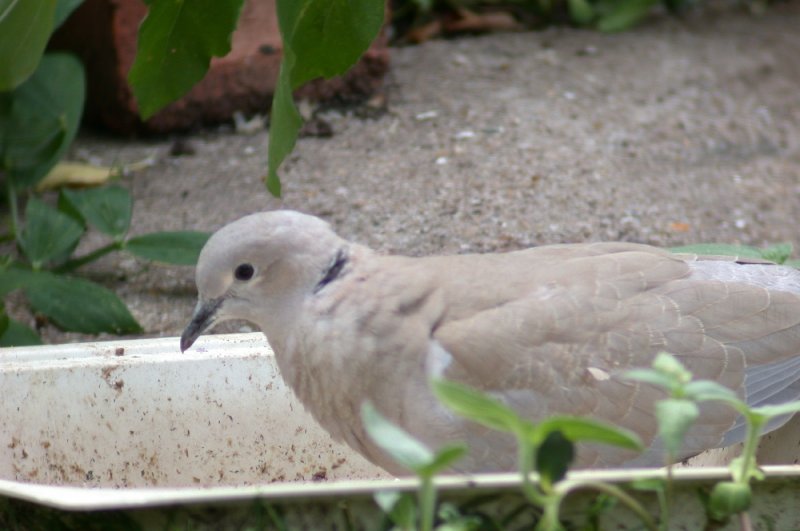
Collared Dove Streptopelia decaocto
The Collared Dove represents an amazing success story. They first arrived in this country back in
the 1950's and bred for the first time in 1958 in
|
G |
2002/3 |
2003/4 |
2004/5 |
2005/6 |
2006/7 |
|
42% |
54% |
43% |
38% |
63% |
Cuckoo Cuculus canorus
In the past the arrival of this summer visitor was a sign
that spring had arrived. In recent years,
however, the decline in numbers of Cuckoos might lead one to believe that
spring, or at least the Cuckoo never arrives.
The favoured species for the Cuckoo to parasitise are Reed Warbler,
Dunnock, Meadow Pipit, Pied Wagtail and Redstart. Of these only the Dunnock is common around
the cress beds. I have only a single
record of this species on
|
A |
2002/3 |
2003/4 |
2004/5 |
2005/6 |
2006/7 |
|
2% |
0% |
0% |
0% |
0% |
Little Owl Athene noctua
This small owl was introduced to the
|
G |
2002/3 |
2003/4 |
2004/5 |
2005/6 |
2006/7 |
|
0% |
0% |
2% |
0% |
5% |
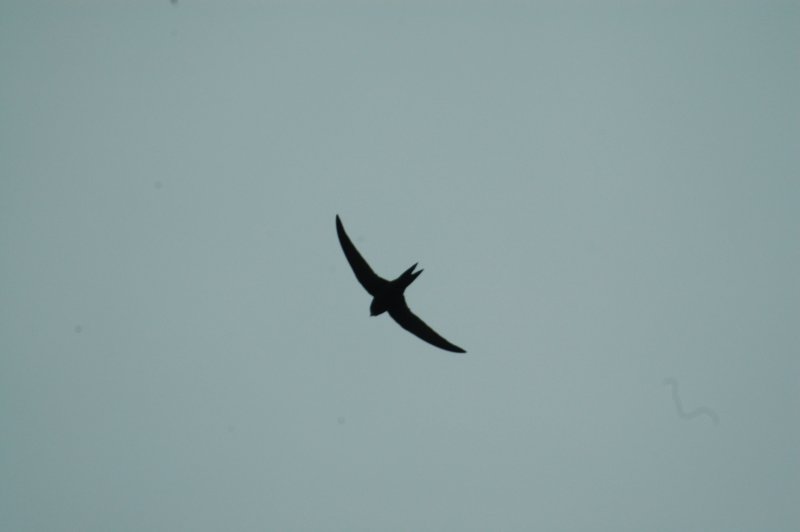
Although Swifts look rather like
members of the Swallow family they are not related but are more closely linked
to the Nightjar. A regular summer visitor which nests in the roof space of some
of the older houses in the village. It
does, however, require a location where it can fly straight in and drop
vertically out in order to gain flying speed.
These remarkable birds virtually live on the wing, feeding, drinking,
collecting nest material, mating and sleeping whilst flying. It has been estimated that each parent flies
some 500 miles (800 kilometers) a day collecting food and cold wet weather may
force them to forage far from the nest for long periods. The eggs are resistant to chilling and the
young can withstand several days of starvation when they become torpid at
night, their temperatures falling from the normal 38°C to as low as 21°C.
Seen regularly over the beds and
village between mid May and early August.
|
G |
2002/3 |
2003/4 |
2004/5 |
2005/6 |
2006/7 |
|
18% |
17% |
11% |
14% |
10% |
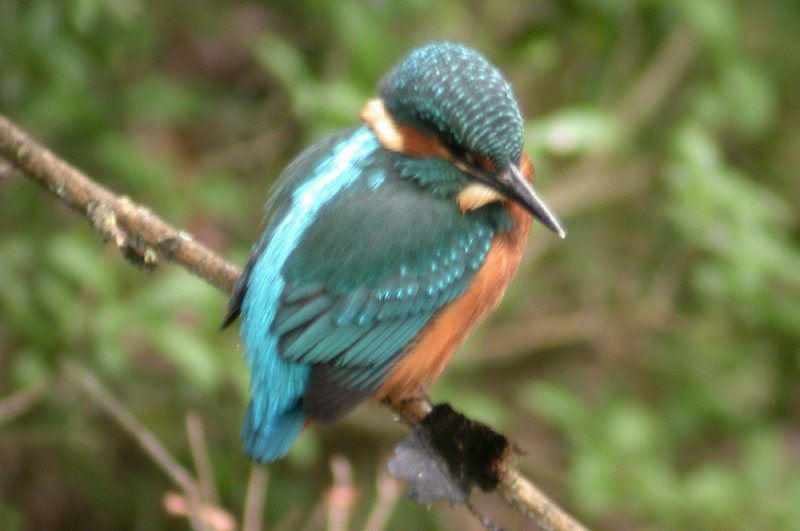
Probably the most exotic and certainly the most colourful of
the birds to be seen in at the Watercress beds.
Unfortunately views are often restricted to a streak of bright blue as
the Kingfisher flashes past low over the water.
It has been recorded as having bred on site but not in recent
years. More commonly seen during the
winter months indicating that they probably breed further downstream near the
|
A |
2002/3 |
2003/4 |
2004/5 |
2005/6 |
2006/7 |
|
11% |
17% |
32% |
19% |
20% |
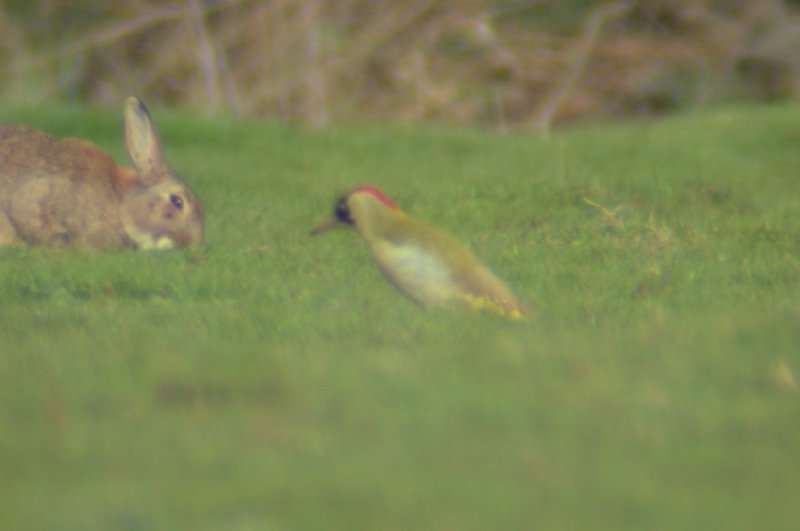
Green Woodpecker Picus viridis
The Green is our largest woodpecker, well known for its loud
cackle from which it gets it's country name of "yaffle". It is associated with woodland and large
trees but it's fondness for feeding on ants brings it down to lawns and open
fields.
|
A |
2002/3 |
2003/4 |
2004/5 |
2005/6 |
2006/7 |
|
2% |
2% |
5% |
8% |
5% |
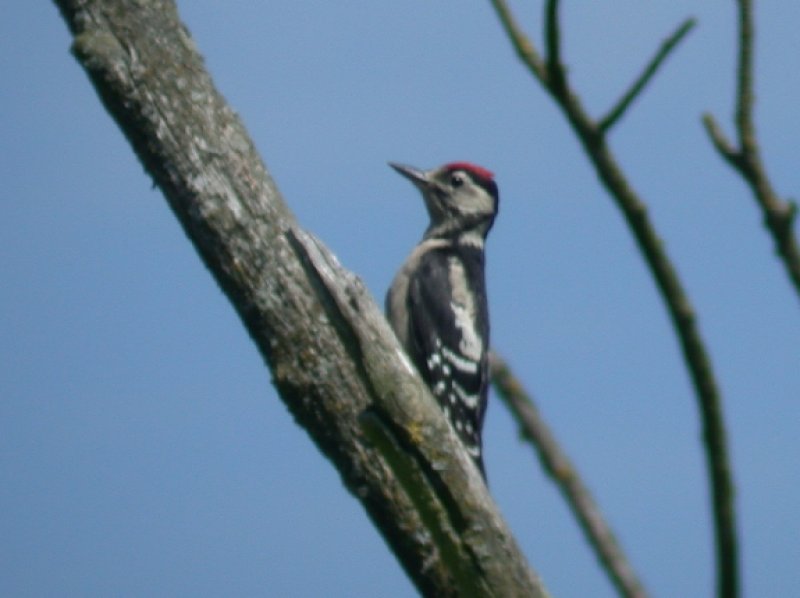
Great Spotted
Woodpecker Dendrocopos
major
The Great Spotted Woodpecker is mainly a woodland bird but
seen occasionally in gardens and elsewhere.
Some people can be confused between this species and the Lesser Spotted
Woodpecker but the difference in size is very obvious. The Great is about the size of a Blackbird
whereas the Lesser is only the size of a Sparrow.
|
G |
2002/3 |
2003/4 |
2004/5 |
2005/6 |
2006/7 |
|
9% |
2% |
7% |
8% |
5% |
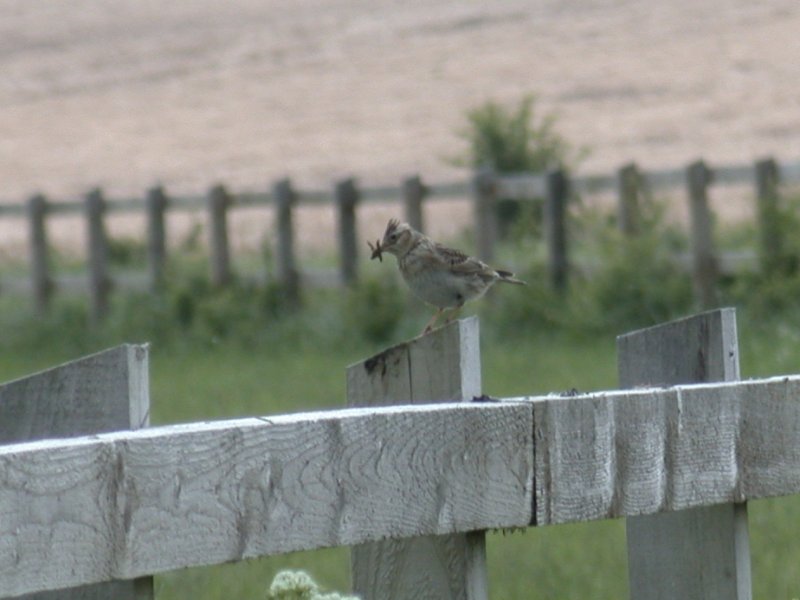
This ground dwelling bird occurs in the farmland surrounding
the beds and on the airfield but is more often heard than seen when in its
characteristic towering song flight.
They sing from a considerable height, often making it difficult to see
the bird. There has, in recent years,
been a considerable reduction in numbers of Skylarks, in part due to a lack of
suitable winter stubble for feeding and also because of the lack of insects
during the summer for feeding young.
|
R |
2002/3 |
2003/4 |
2004/5 |
2005/6 |
2006/7 |
|
4% |
0% |
0% |
0% |
2% |
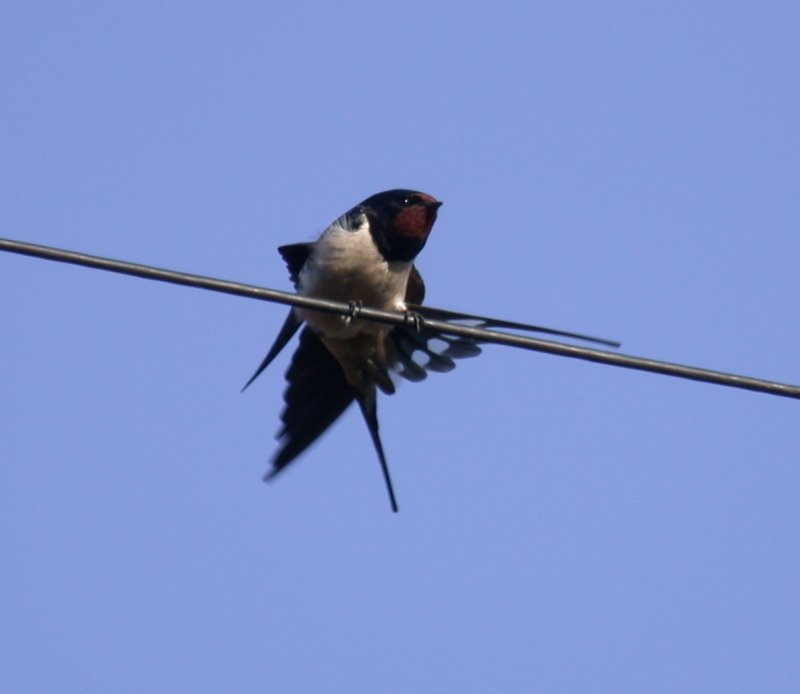
The Swallow is a regular summer
migrant, arriving in late March and April and most have gone by mid October.
They breed in barns, sheds, garages and other outbuildings with open access, so
that they can fly straight in to the nest, which is usually built on top of a
beam or ledge. They are often seen in
fast acrobatic flight in search of flying insects over the beds and dipping
down to the water surface to drink. They
are gregarious during migration, gathering in large numbers over suitable
feeding areas.
|
A |
2002/3 |
2003/4 |
2004/5 |
2005/6 |
2006/7 |
|
32% |
41% |
27% |
32% |
21% |
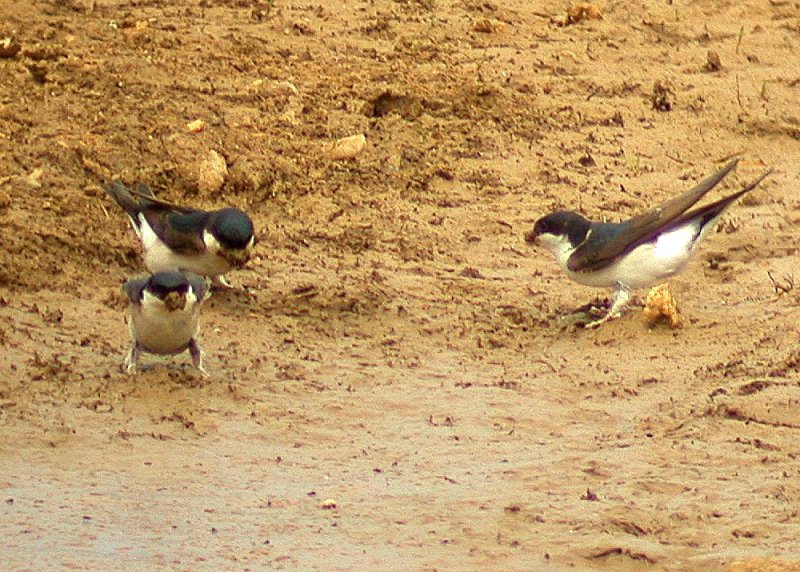
The House Martin is a regular summer
visitor, most of which arrive during the second half of April and depart to
|
A |
2002/3 |
2003/4 |
2004/5 |
2005/6 |
2006/7 |
|
23% |
30% |
30% |
30% |
12% |
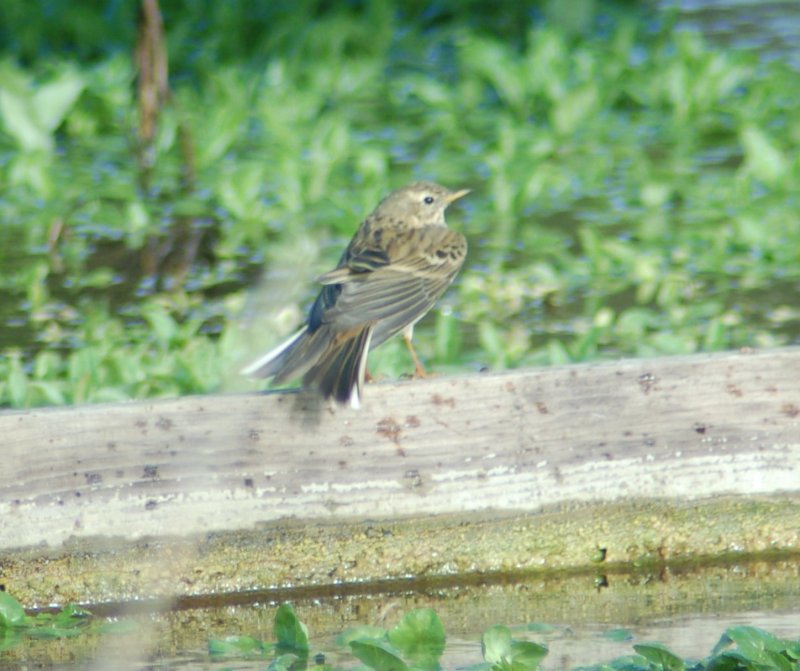
Meadow
Pipit Anthus pratensis
This species is an irregular visitor to the beds, mostly as
a passage migrant and winter visitor. They
used to be seen on the edge of the airfield and occasionally strayed over to
drink or feed from the beds below the bridge.
|
A |
2002/3 |
2003/4 |
2004/5 |
2005/6 |
2006/7 |
|
9% |
0% |
0% |
3% |
0% |
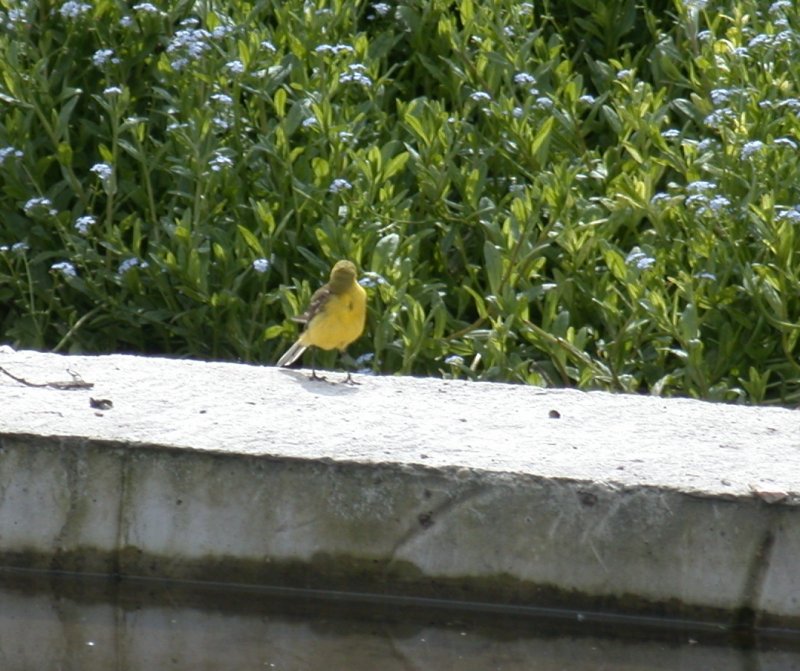
Yellow Wagtail Motacilla flava
The yellow wagtail is a small graceful yellow and green
bird, with a medium-length tail, and slender black legs. It spends much time
walking or running on the ground. It is a summer visitor, migrating to winter in
|
A |
2002/3 |
2003/4 |
2004/5 |
2005/6 |
2006/7 |
|
0% |
0% |
2% |
3% |
0% |
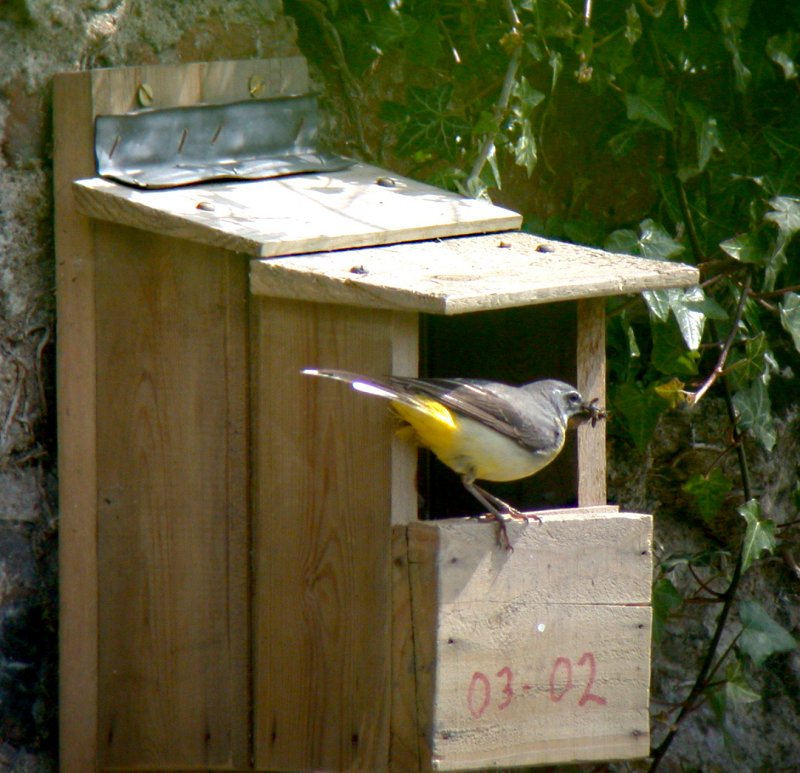
Grey Wagtail Motacilla
cinerea
This is the most graceful of the wagtails with it's nimble
actions and handsome plumage. The grey
head and back, contrasting with bright lime yellow under the tail, eases
identification. They are resident on the
Watercress Beds throughout the year and one or two pairs breed on the
site. One pair successfully bread in an
artificial nest box most years.
|
A |
2002/3 |
2003/4 |
2004/5 |
2005/6 |
2006/7 |
|
91% |
72% |
77% |
73% |
78% |
Pied Wagtail Motacilla alba
yarrellii
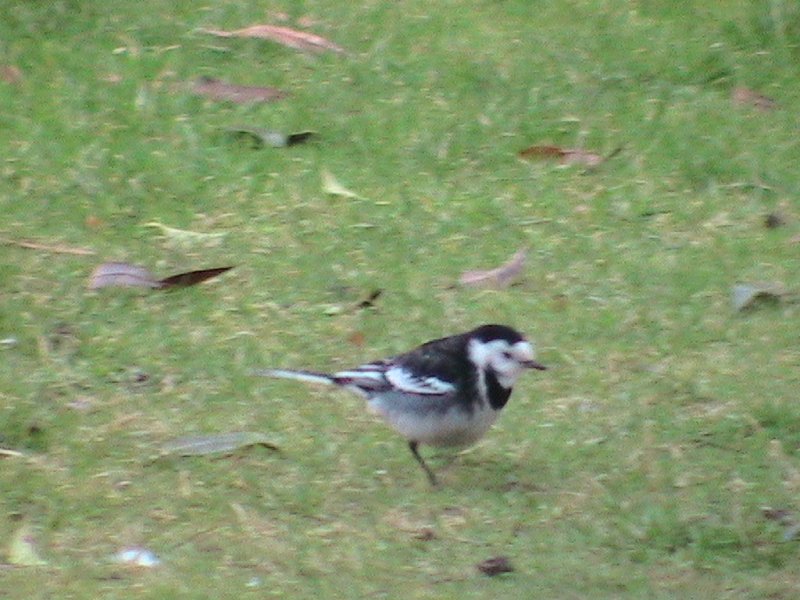
The elegant black and white plumage and graceful actions of
the Pied Wagtail are a familiar sight around human habitation. However, they are not as common on the
Watercress Beds as one might expect. It
is possible that the Grey Wagtails “rule the roost” and chase off the Pied but
I have no evidence to support this.
|
G |
2002/3 |
2003/4 |
2004/5 |
2005/6 |
2006/7 |
|
13% |
4% |
5% |
16% |
12% |
Wren Troglodytes troglodytes
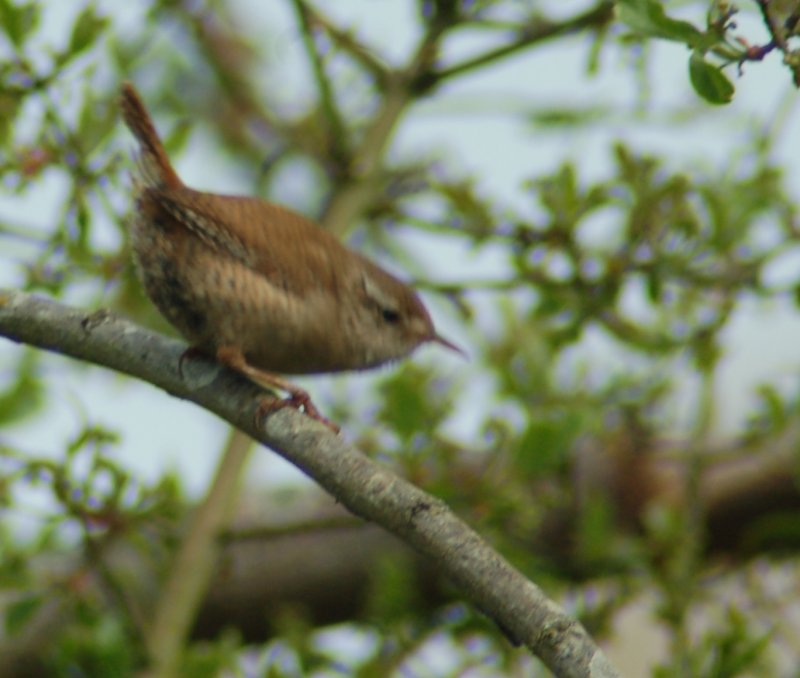
A very common resident.
Sometimes overlooked because of it's habit of skulking in deep
undergrowth but rather spoils the secretive behaviour by singing very loudly
for such a small bird. Very common on
the beds especially in the winter where, because of the warm water, their food
source of mainly insects, is plentiful.
|
G |
2002/3 |
2003/4 |
2004/5 |
2005/6 |
2006/7 |
|
89% |
76% |
82% |
87% |
81% |
Dunnock
Prunella modularis
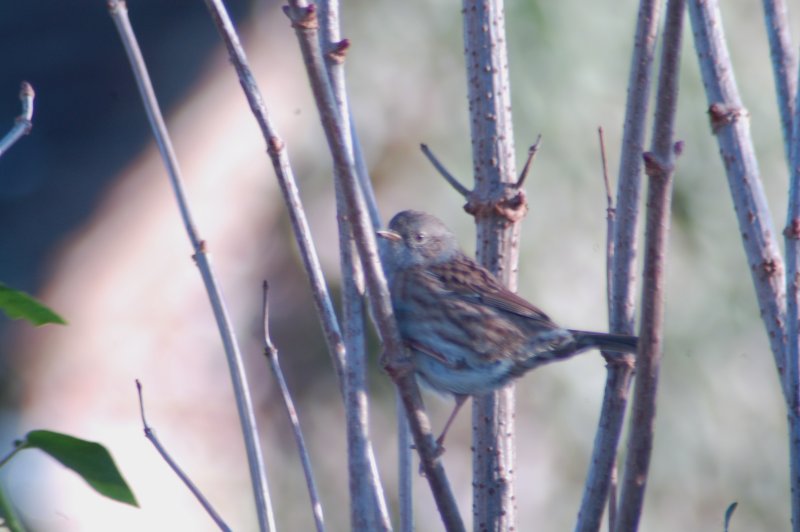
A very common resident again attracted to the warm winter
conditions for insect food.
|
A |
2002/3 |
2003/4 |
2004/5 |
2005/6 |
2006/7 |
|
74% |
71% |
73% |
70% |
83% |
Robin Erithacus rubecula
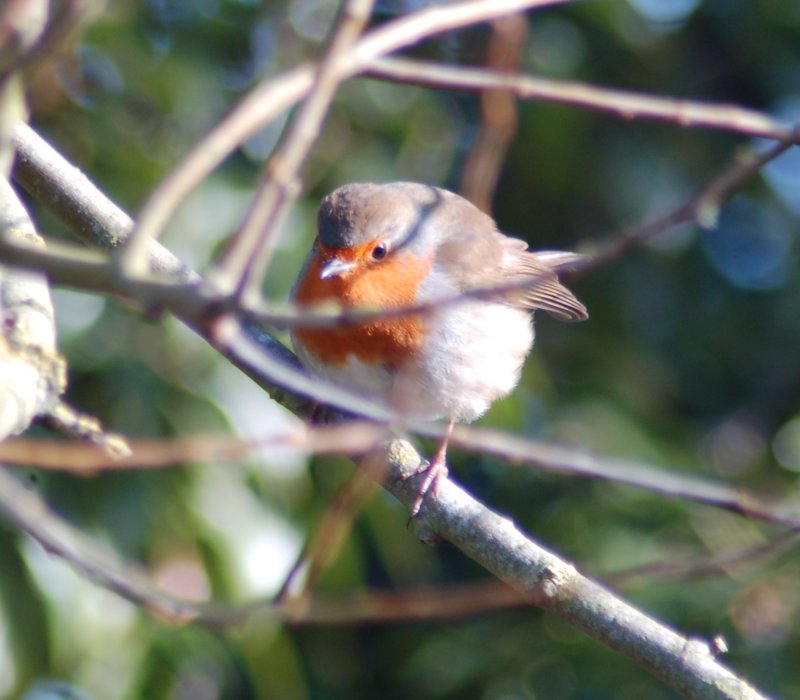
A very common resident.
|
G |
2002/3 |
2003/4 |
2004/5 |
2005/6 |
2006/7 |
|
89% |
72% |
89% |
92% |
95% |
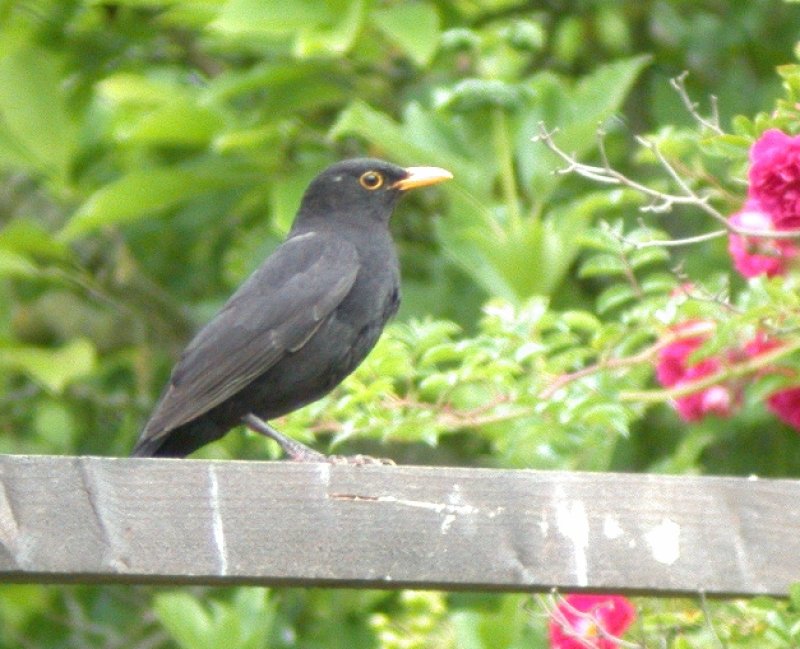
Blackbird
Turdus merula
A very common resident.
|
G |
2002/3 |
2003/4 |
2004/5 |
2005/6 |
2006/7 |
|
96% |
87% |
93% |
92% |
98% |
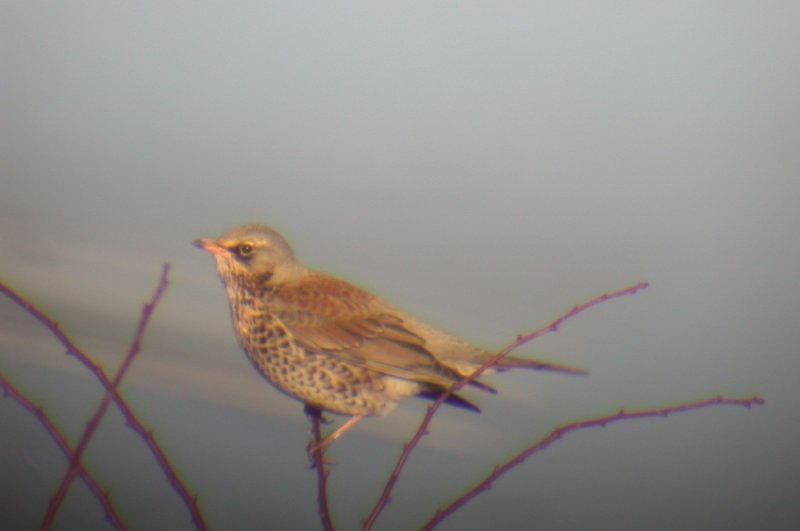
Fieldfare
Turdus pilaris
Harsh chuckling calls from passing Fieldfares are a
characteristic sound of farmland in winter.
They arrive from
|
A |
2002/3 |
2003/4 |
2004/5 |
2005/6 |
2006/7 |
|
2% |
2% |
9% |
3% |
7% |
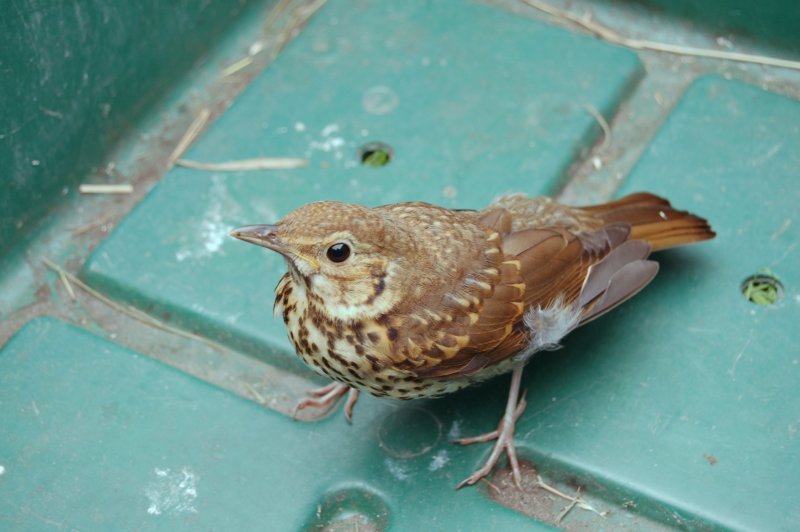
Song Thrush Turdus
philomelos
Widespread but in serious
decline, especially since 1975 though from personal observation I think there
could be a bit of a recovery in recent years.
Although it is hard to imagine now, the Song Thrush was more common than
the Blackbird before 1945.
|
R |
2002/3 |
2003/4 |
2004/5 |
2005/6 |
2006/7 |
|
28% |
20% |
18% |
16% |
17% |
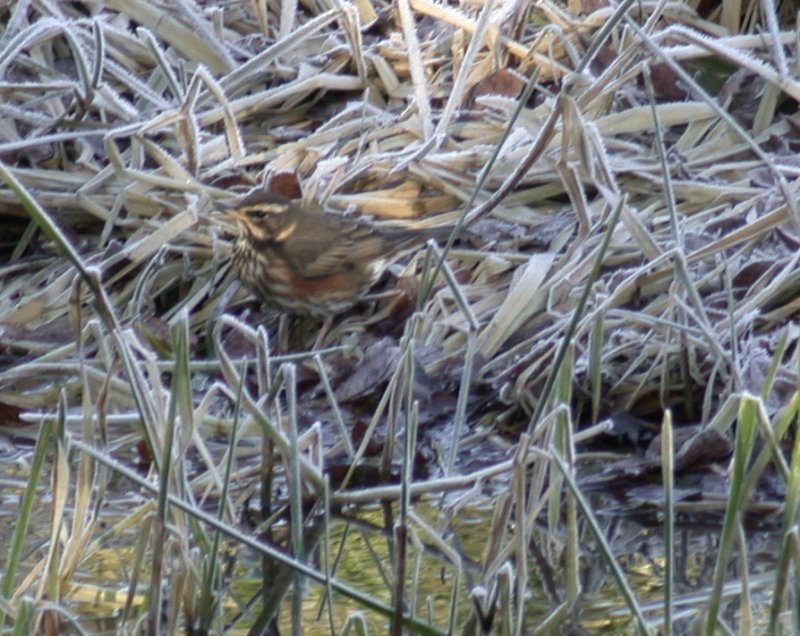
Redwing
Turdus iliacus
The Redwing is a common winter
visitor from northern
|
A |
2002/3 |
2003/4 |
2004/5 |
2005/6 |
2006/7 |
|
9% |
9% |
27% |
3% |
17% |
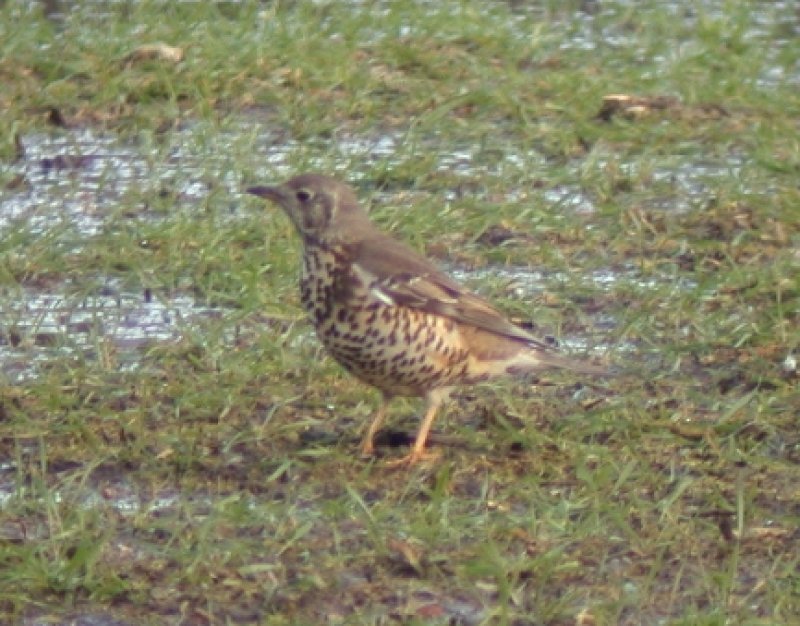
Mistle Thrush Turdus
viscivorus
Our largest resident thrush with grey brown plumage on the
back and round spots on the breast (they are streaked on the Song Thrush). The Mistle Thrush is widespread but not
common. They tend to be associated with
larger trees and open fields. Seen on
three visits in the first year of the survey but but very infrequently since.
|
A |
2002/3 |
2003/4 |
2004/5 |
2005/6 |
2006/7 |
|
6% |
0% |
2% |
3% |
2% |
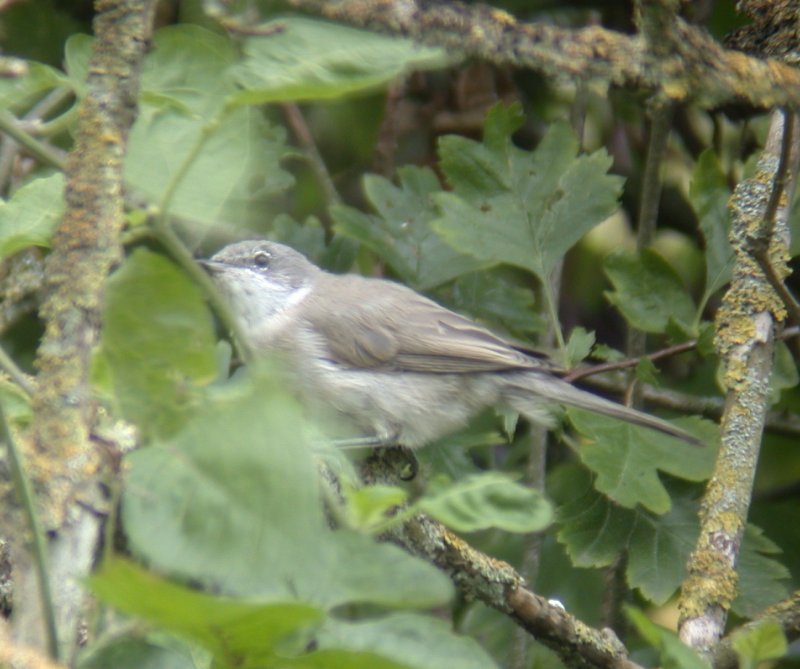
Lesser Whitethroat Sylvia curruca
Can be identified from Common Whitethroat as they are slightly
smaller but more importantly, greyer plumage, a darker head and darker legs. It is not as common as the Whitethroat and is
much more likely to go unnoticed as it is more skulking and is quite happy to
sing from the middle of a bush. Prefers
old hedgerows with thick undergrowth and adjacent rough grassland. There is no evidence to suggest that they
breed on the beds but most sightings have been late summer indicating post
breeding dispersion.
|
G |
2002/3 |
2003/4 |
2004/5 |
2005/6 |
2006/7 |
|
0% |
4% |
7% |
3% |
0% |
Common Whitethroat Sylvia communis
As the name implies it has a white throat, warm brown
shoulder feathers and brown legs. This
species breeds close to but probably not in the area of the Watercress
beds. It prefers hedgerows which have a
good undergrowth and tend to be quite conspicuous, choosing to sing from taller
shrubs. Recent studies show that the
number of these birds depends, not only on their breeding success, but on the
conditions in their winter quarters in
|
G |
2002/3 |
2003/4 |
2004/5 |
2005/6 |
2006/7 |
|
8% |
2% |
0% |
5% |
2% |
Garden Warbler Sylvia borin
A bird remarkable for having no distinguishing markings,
noticeable for its drab dull brown plumage.
Garden Warblers bred within the reserve during the first two years of
the survey but, since then, sightings have steadily declined. They favour open woodland and scrubland so
the area suits them. Unlike most of the
warblers which have very distinctive songs, that of the Garden Warbler is very
similar to the Blackcap. As birds are
recorded by song as well as sight it is possible that some of the Garden
Warbler records refer to Blackcap and vice-versa – especially early in the
season before I get my ear in.
|
G |
2002/3 |
2003/4 |
2004/5 |
2005/6 |
2006/7 |
|
15% |
9% |
5% |
3% |
0% |
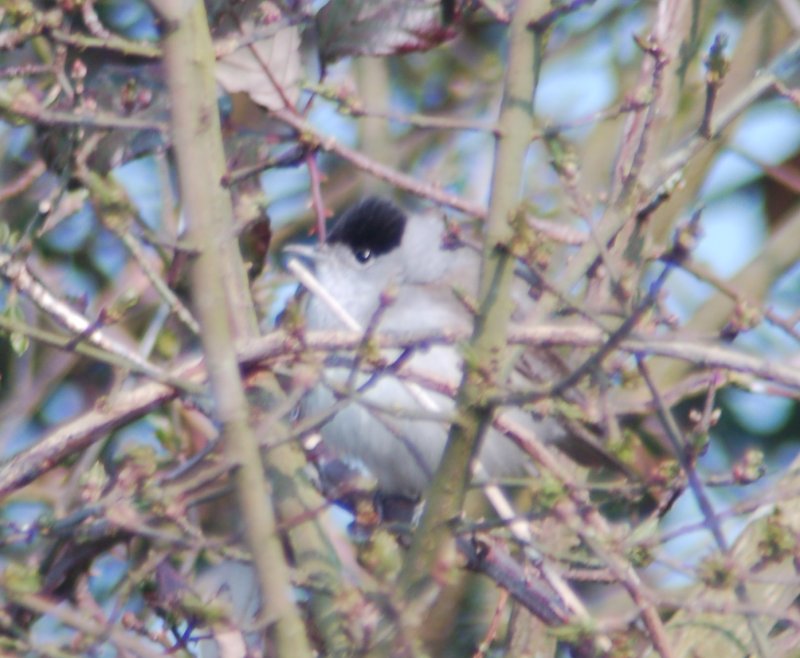
Blackcap
Sylvia atricapilla
With good views the Blackcap is
easily recognised but they have an annoying habit of sitting in hedges well
above head height when the black cap of the male or brown of the female can be
very difficult to see. They breed in
thick hedges. Our local breeding birds
migrate to Mediterranean Countries but Blackcaps are not uncommon during the
winter, these birds having migrated here from
|
G |
2002/3 |
2003/4 |
2004/5 |
2005/6 |
2006/7 |
|
53% |
22% |
27% |
22% |
27% |
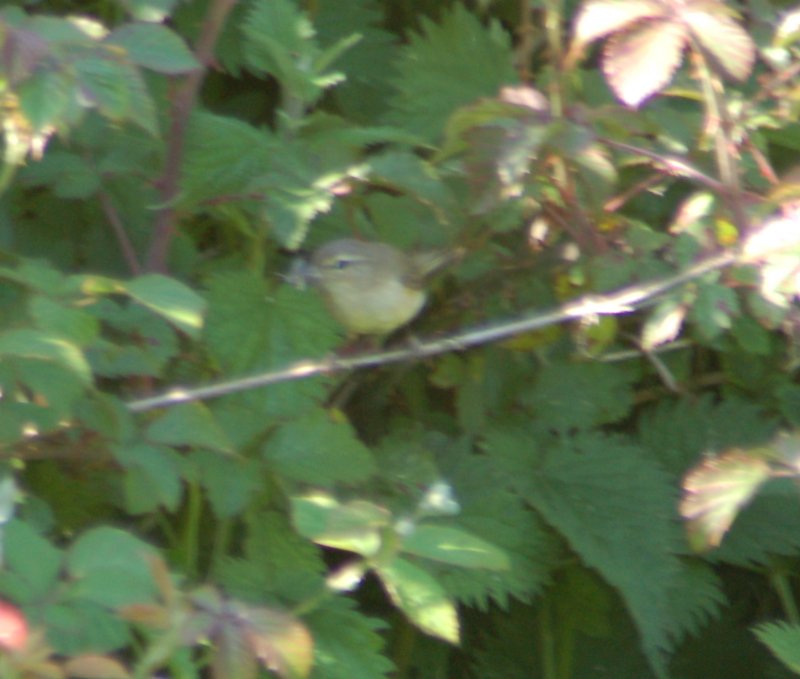
Chiffchaff Phylloscopus
collybita
You are usually alerted to the presence of Chiffchaffs by
the song of the Chiffchaff which is a monotonously repeated “chiff chaff”. They look very similar to the Willow Warbler
but I am yet to see one of these here. They
differ in only having the barest hint of yellow on the breast and the legs are
blackish brown. They are associated with
thick, often tall, hedges, arriving mid March and departing mid September. Like the Blackcap some over winter though
they are more easily overlooked. They
breed in the bushes beside the watercress beds.
|
G |
2002/3 |
2003/4 |
2004/5 |
2005/6 |
2006/7 |
|
28% |
26% |
9% |
14% |
27% |
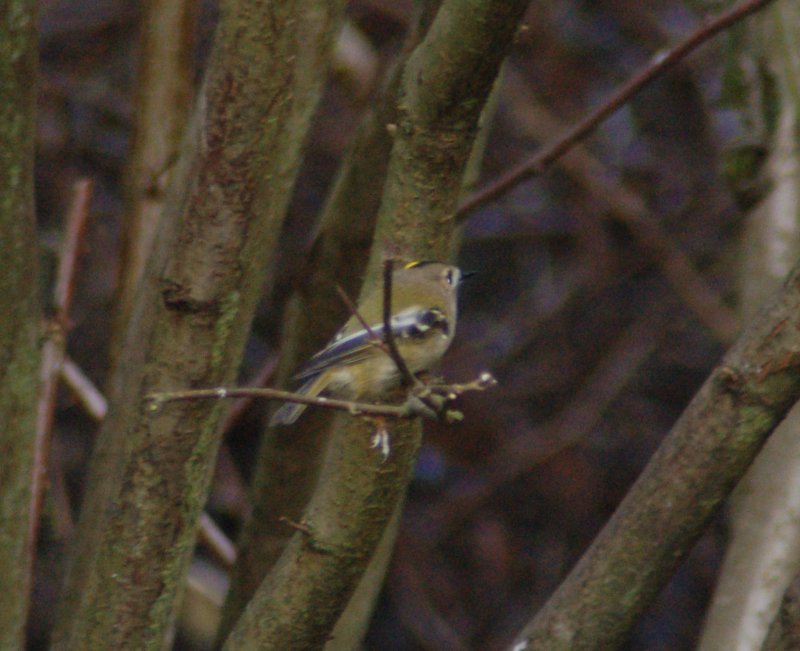
Goldcrest
Regulus regulus
This, the smallest of our birds, was fairly common considering their
preference for conifer trees and the absence of these trees in the survey area
below the bridge. The relatively high
recording rate was mainly due to winter records when these birds are wider
ranging, often associating with mixed foraging flocks of tit species.
|
A |
2002/3 |
2003/4 |
2004/5 |
2005/6 |
2006/7 |
|
11% |
11% |
18% |
5% |
7% |
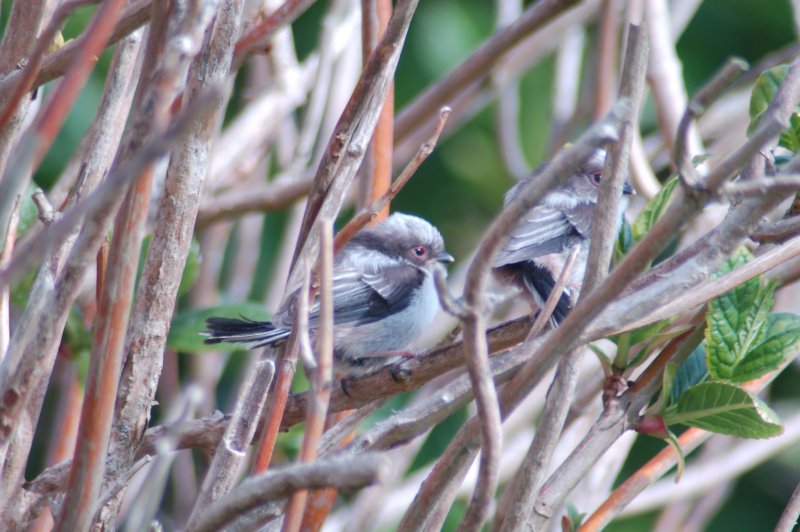
Long-tailed Tit Aegithalos
caudatus
The Long-tailed is not a true Tit and differs from all the
other tits in that it is the only one not to nest in holes. They favour thick,
tall hedges of Hawthorn or Blackthorn where they build a domed nest decorated
with Lichen and lined with as many as 2000 feathers. The records show a healthy
increase in observations during the five years covered.
|
G |
2002/3 |
2003/4 |
2004/5 |
2005/6 |
2006/7 |
|
6% |
13% |
23% |
16% |
39% |
Coal Tit Periparus ater
An infrequent visitor to the
site with no record before October 2005.
Perhaps this is a little surprising but they are mainly birds of
|
G |
2002/3 |
2003/4 |
2004/5 |
2005/6 |
2006/7 |
|
0% |
0% |
2% |
3% |
5% |
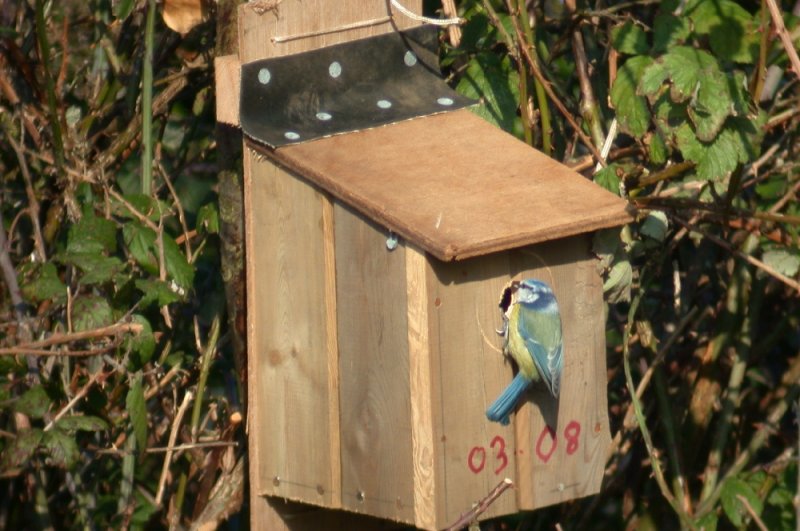
Blue Tit Parus caeruleus
A very common resident making full use of the
nest boxes provided.
|
G |
2002/3 |
2003/4 |
2004/5 |
2005/6 |
2006/7 |
|
94% |
85% |
91% |
81% |
93% |
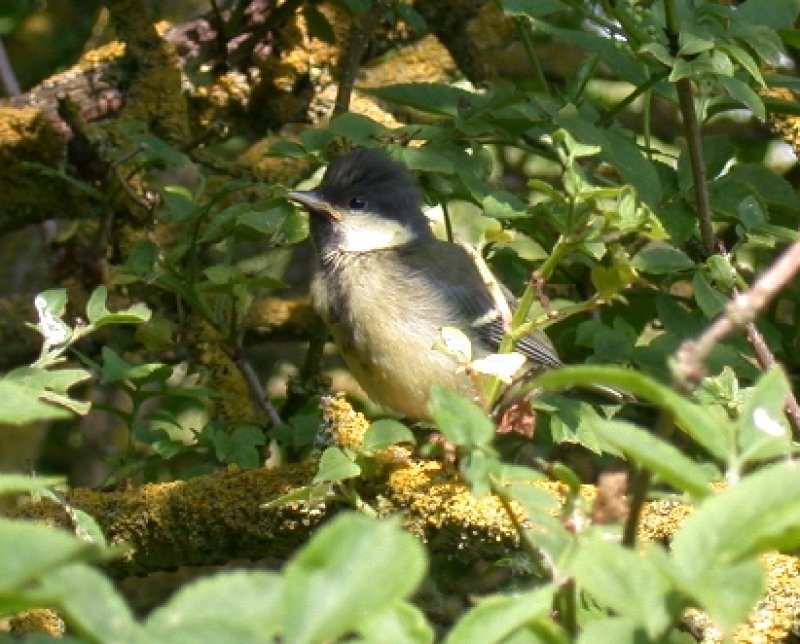
Great Tit Parus major
As its name would suggest this is the largest
member of the tit family. They can be easily recognised by the shiny black cap
and bib joined by bold black lines enclosing white cheeks and a black stripe
down yellow bib and belly. The Great Tit is a common resident with similar
habits to the Blue Tit though they tend to feed on the ground more often. They
have a wide variety of calls and song and, "that strange bird call you
hear in the woods" is more often than not a Great Tit. They also nest in the wooden nest boxes.
|
G |
2002/3 |
2003/4 |
2004/5 |
2005/6 |
2006/7 |
|
83% |
85% |
86% |
95% |
90% |
Nuthatch Sitta europaea
This
essentially woodland bird has only been seen on a single occasion, on
|
G |
2002/3 |
2003/4 |
2004/5 |
2005/6 |
2006/7 |
|
0% |
0% |
0% |
0% |
2% |
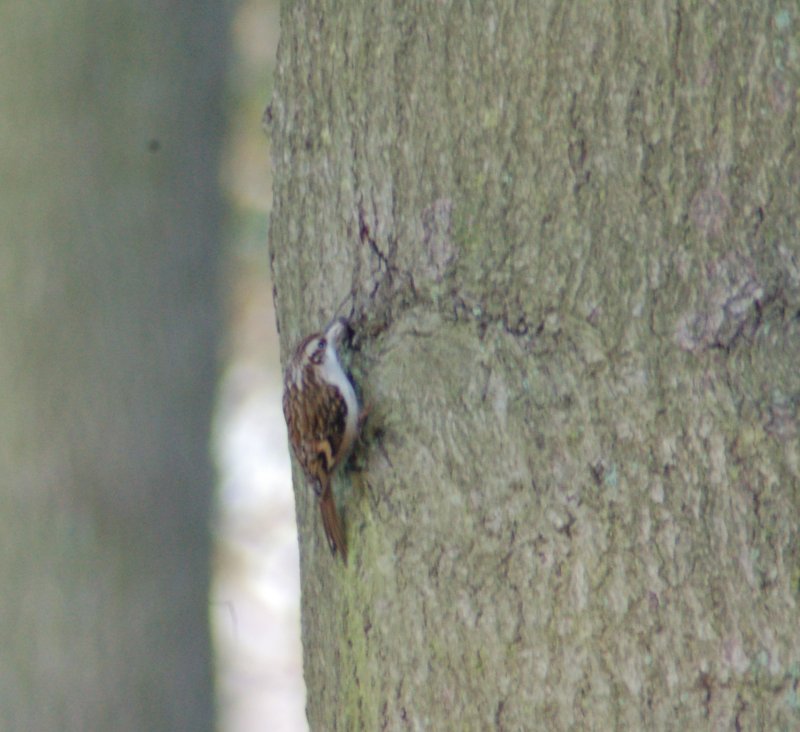
Treecreeper Certhia familiaris
Another
woodland bird that has only been seen on a single occasion, this time on
|
G |
2002/3 |
2003/4 |
2004/5 |
2005/6 |
2006/7 |
|
0% |
0% |
0% |
0% |
2% |
Jay Garrulus glandarius
A colourful woodland member of the crow
family, but rather secretive. It is
mainly sedentary and feeds on a wide variety of food such as small vertebrates,
including small birds and their eggs and chicks and in winter on beechmast and
acorns. Only a single sighting of this
species during the first year of the survey.
|
G |
2002/3 |
2003/4 |
2004/5 |
2005/6 |
2006/7 |
|
2% |
0% |
0% |
0% |
0% |
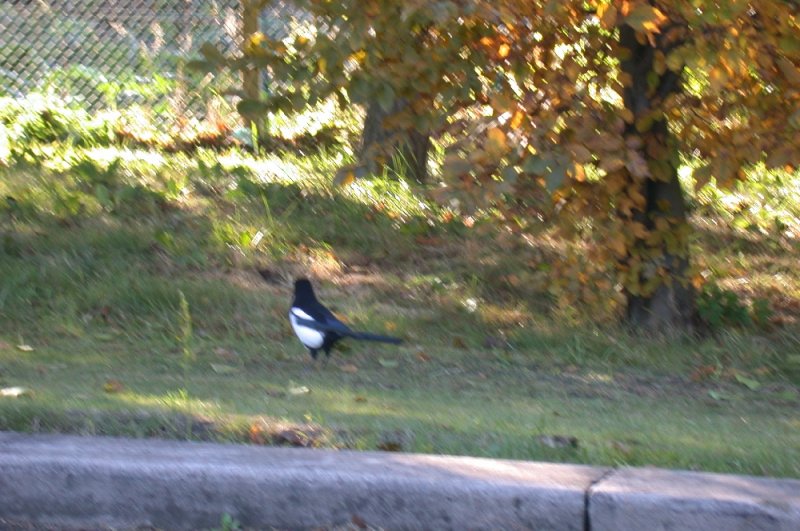
Magpie Pica pica
The Magpie is a widespread and common
resident whose numbers steadily increased from 1960 to 1990. The population is
now stable. Like the Jay it will feed on
a wide variety of foods. It has been
blamed for the decline of many of the farmland and song birds but, although it
may be a factor, it is probably minor compared with other factors.
|
G |
2002/3 |
2003/4 |
2004/5 |
2005/6 |
2006/7 |
|
72% |
61% |
41% |
65% |
54% |
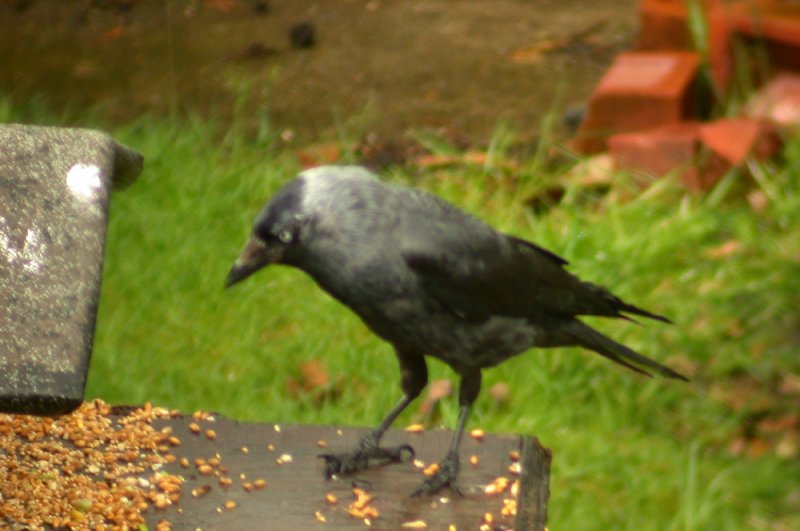
Jackdaw Corvus monedula
Jackdaws nest in holes in trees and will
readily take over a chimney if the fire is no longer in use. They are widespread and common and tend to be
associated with the buildings alongside the watercress beds rather than the
beds themselves.
|
G |
2002/3 |
2003/4 |
2004/5 |
2005/6 |
2006/7 |
|
62% |
74% |
86% |
84% |
88% |
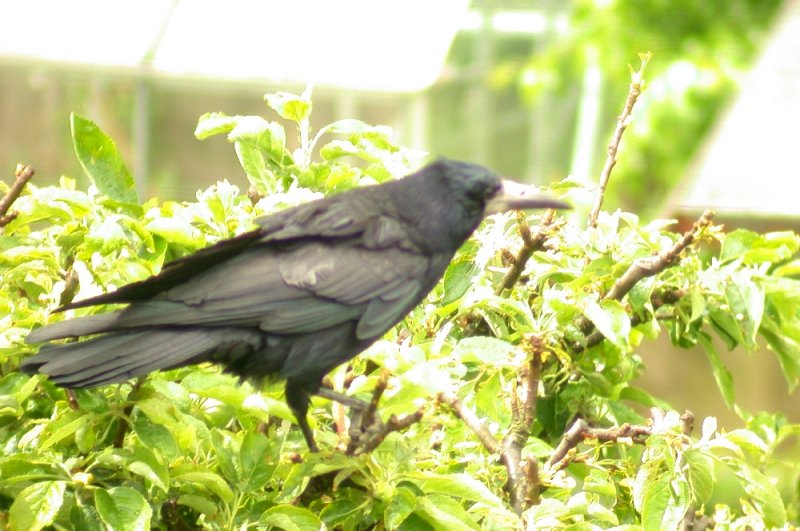
Rook Corvus frugilegus
The Rook is a common resident in the area
and, with the large Rookery just down the road at Fifield Manor, they spend a
great deal of time flying over the site or feeding on the adjacent airfield.
|
G |
2002/3 |
2003/4 |
2004/5 |
2005/6 |
2006/7 |
|
74% |
96% |
91% |
97% |
95% |
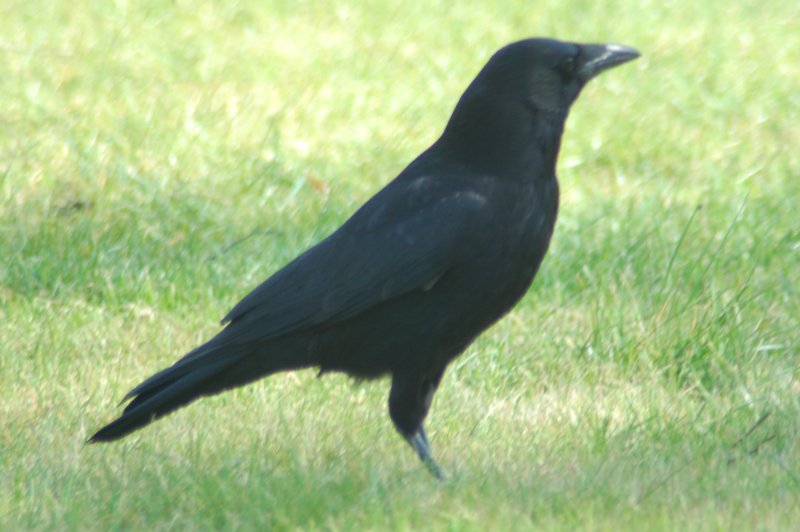
Carrion Crow Corvus corone
The number of Carrion Crows has been steadily
increasing in recent years. They nest locally and are scavengers, eating a wide
variety of foods. Despite the belief
that large black birds in flocks must be Rooks and ones or twos must be Crows
this is not always a reliable method of identification. Crows will gather into
flocks of a hundred or more birds. The
best way to separate them is by looking at the bill; long, pointed and greyish
white on Rooks, shorter, stumpier and black on Crows.
|
G |
2002/3 |
2003/4 |
2004/5 |
2005/6 |
2006/7 |
|
32% |
24% |
43% |
30% |
27% |
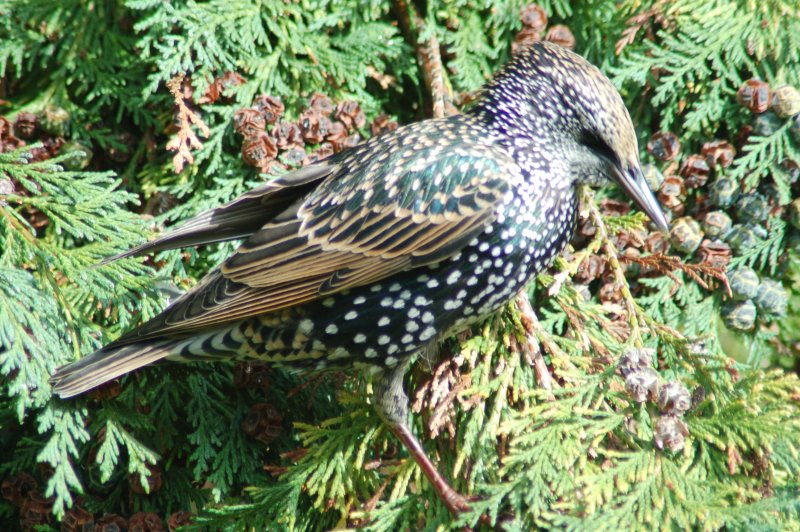
Starling Sturnus vulgaris
A widespread and common resident, but whose
numbers are declining. They nest in any
hole that is large enough, often in roof spaces if there is access. After the breeding season Starlings gather
into flocks of several hundred. These
flocks can become quite large when immigrants arrive from Eastern Europe but
nothing to compare with the 1950`s when there were sometimes flocks in excess
of a million birds.
|
R |
2002/3 |
2003/4 |
2004/5 |
2005/6 |
2006/7 |
|
51% |
70% |
43% |
76% |
49% |
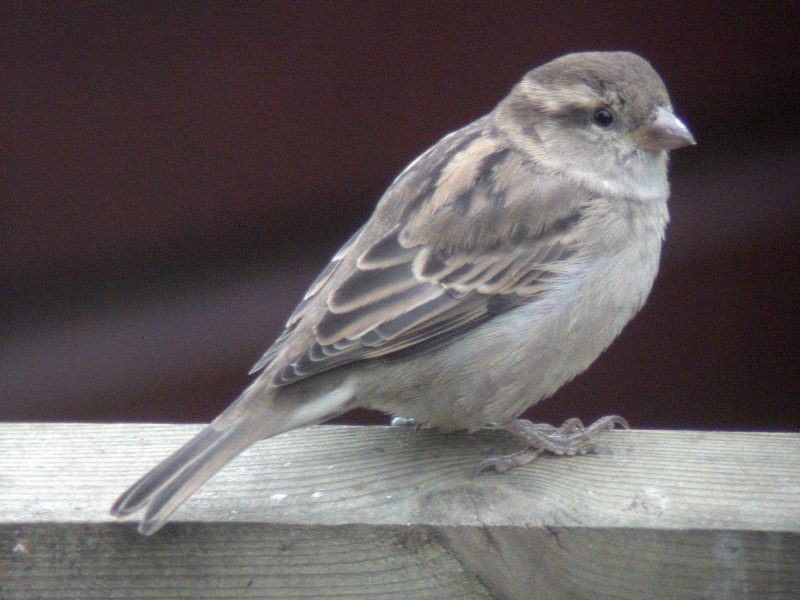
House Sparrow Passer
domesticus
A bird strongly linked to mans activity. Although widespread and common it has been in
steady decline since 1979 both on farms and in gardens. They nest in holes but will occasionally make
a very untidy domed nest in ivy or trees. They will also sometimes take over a
House Martins nest. They breed in houses alongside the beds and can be seen on
forays to the beds to feed and drink.
|
R |
2002/3 |
2003/4 |
2004/5 |
2005/6 |
2006/7 |
|
45% |
65% |
73% |
62% |
51% |
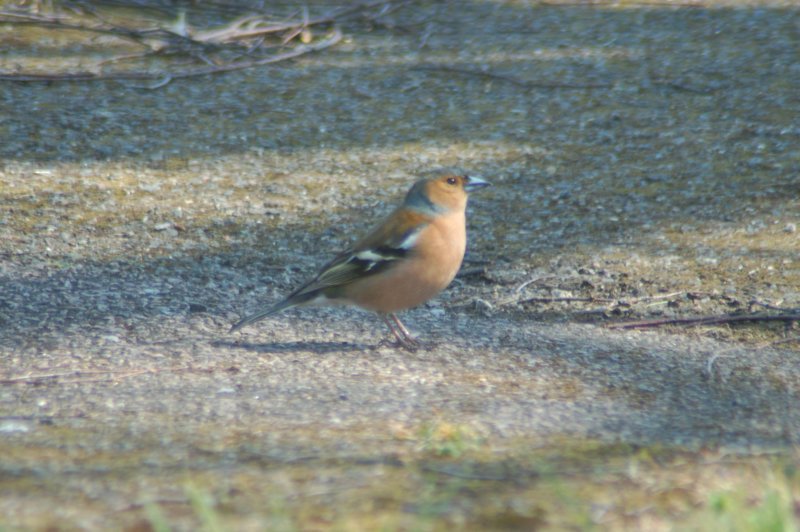
Chaffinch Fringilla coelebs
The Chaffinch is widespread and a common
resident whose population is stable. They breed in the reserve, building a
neat, cup shaped nest in hedgerows. The
population levels increase in winter due to immigration from
|
G |
2002/3 |
2003/4 |
2004/5 |
2005/6 |
2006/7 |
|
83% |
78% |
86% |
92% |
90% |
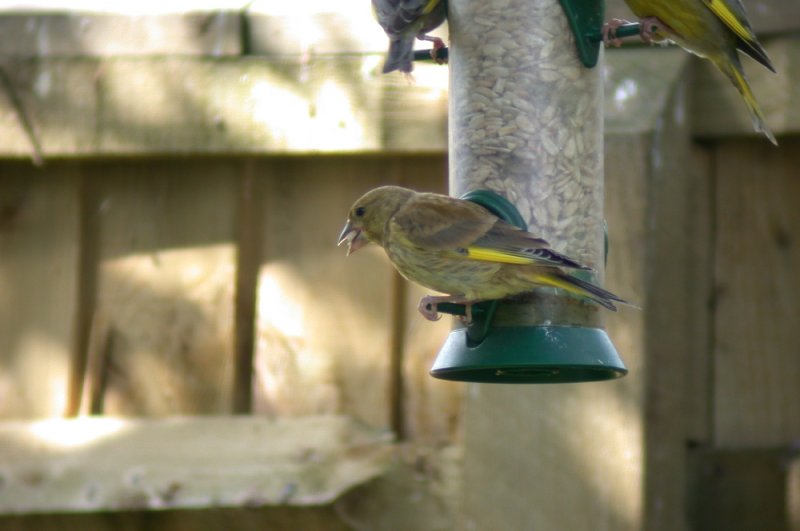
Greenfinch Carduelis chloris
The Greenfinch is a widespread and common
resident whose population is stable. It
is a regular visitor to the watercress beds throughout the year though less so
during the summer as they often nest in evergreens which, apart from Ivy, we
are short of.
|
G |
2002/3 |
2003/4 |
2004/5 |
2005/6 |
2006/7 |
|
45% |
63% |
59% |
73% |
66% |
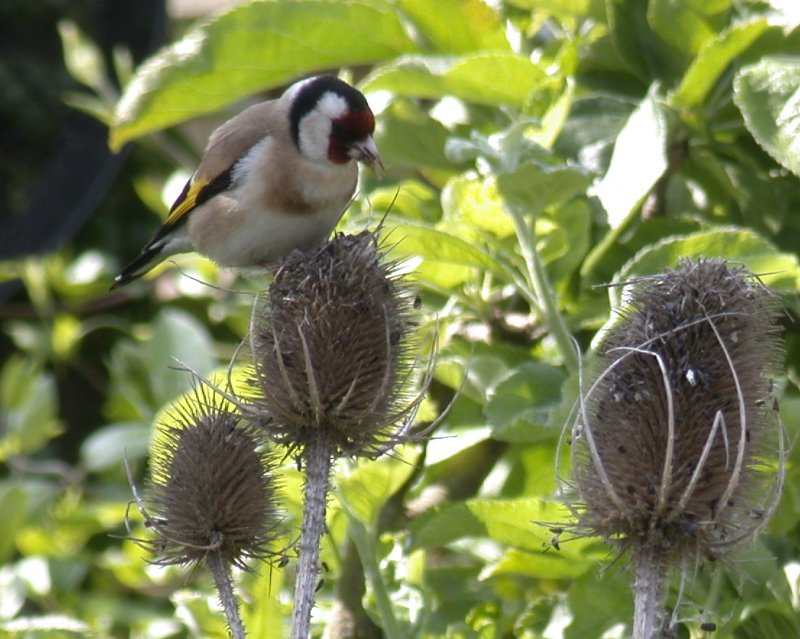
Goldfinch Carduelis carduelis
A favourite for cage bird enthusiasts early
this century, but thankfully no longer - at least in this country. The Goldfinch is a seed eater, which does well
on unkempt areas, especially where teasel, burdock or thistles flourish. They were only seen on about one in ten
visits during the two years covered by the survey but this increased to about
one in three visits as some of the improvement schemes took effect in the
latter three years.
|
G |
2002/3 |
2003/4 |
2004/5 |
2005/6 |
2006/7 |
|
11% |
11% |
36% |
46% |
34% |
Linnet Carduelis cannabina
The Linnet is present throughout the year. In winter they gather into large flocks,
augmented by birds from
|
R |
2002/3 |
2003/4 |
2004/5 |
2005/6 |
2006/7 |
|
26% |
0% |
2% |
3% |
2% |
Redpoll Carduelis flammea
This small finch has undergone several major
fluctuations in population size, being numerous early this century and during
the late 1960's and 1970's, but since then has declined again. It favours damp
Birch woodland, so it is not seen during the breeding season. A pair, or possibly three birds, were seen
feeding on weed seed on two occasions in December 2003 and again in October
2005.
|
G |
2002/3 |
2003/4 |
2004/5 |
2005/6 |
2006/7 |
|
2% |
4% |
5% |
0% |
0% |
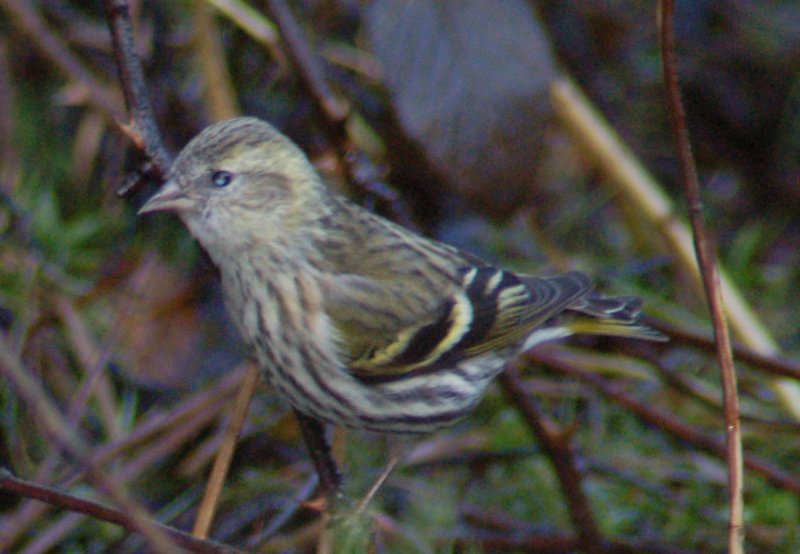
Siskin Carduelis spinus
The
Siskin is a small finch, about the size of a Blue Tit and
with similar agility. They are generally yellowish-green and yellow with a dark
streaked belly and striking yellow rump, wing bars and sides of the forked
tail. The legs and bill are dark brown. The
male has a black cap and bib and bright yellow cheeks. The female does not have
a black crown or bib and is more heavily streaked. A very attractive bird which mainly feeds on
Alder cones but sometimes can be seen on garden bird feeders. Unfortunately I have only seen Siskin on the
beds on a single ocassion on 23rd March 2006.
|
G |
2002/3 |
2003/4 |
2004/5 |
2005/6 |
2006/7 |
|
0% |
0% |
0% |
3% |
0% |
Bullfinch Pyrrhula pyrrhula
The adult male Bullfinch is unmistakable in
splendid pink, grey, black and white plumage. Females retain the black cap and
white rump but are much drabber. They
feed on fruit as large as sloes, and, in late winter when seed supplies run
out, Bullfinches turn their attention to young tree buds, and for this reason
was once regarded as a pest. Numbers
have declined rapidly since 1975 and the days are long gone when they were so
numerous that boys earned a few coppers by scaring them from fruit trees in
orchards.
|
R |
2002/3 |
2003/4 |
2004/5 |
2005/6 |
2006/7 |
|
2% |
9% |
7% |
3% |
0% |
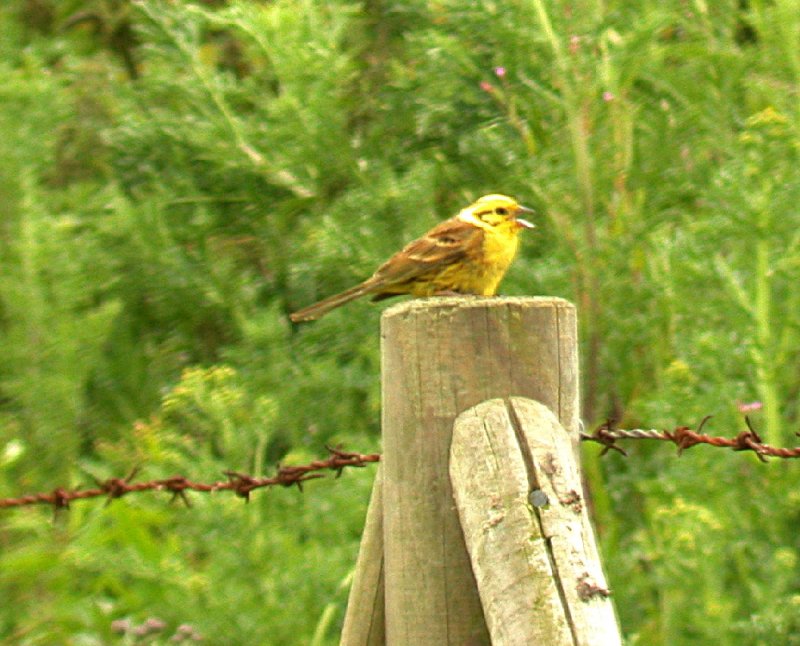
Yellowhammer Emberiza citrinella
The Yellowhammer is probably best known for its
song which is often written as "little bit of bread and no cheese".
They are widespread and common along hedgerows and rough grassland associated
with open farmland but, somewhat surprisingly, rarely stray on to the nature
reserve. Numbers have been declining
since 1988 which may, in part, be due to the change to autumn sown cereal crops
with the resultant lack of winter stubble fields.
|
R |
2002/3 |
2003/4 |
2004/5 |
2005/6 |
2006/7 |
|
0% |
2% |
2% |
3% |
0% |
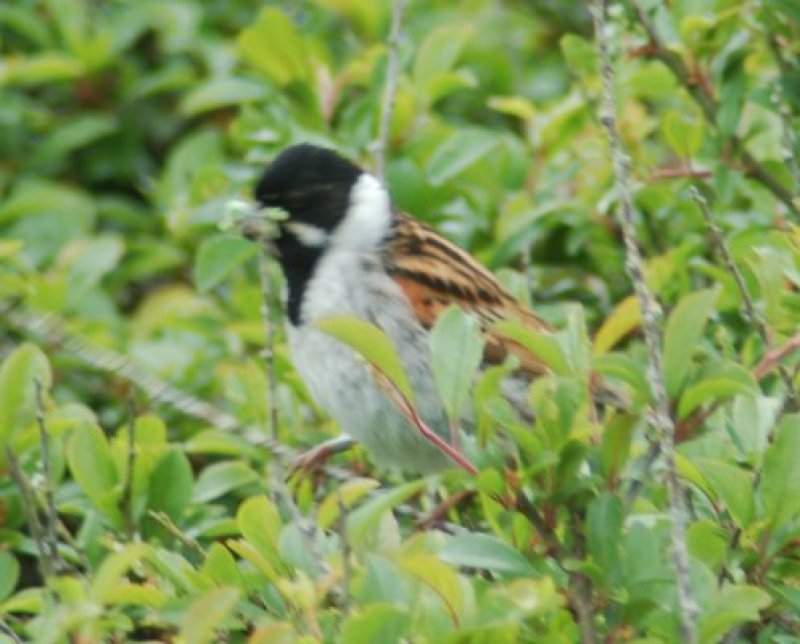
Reed Bunting Emberiza schoeniclus
The Reed Bunting is sparrow-sized but slim and with a long, deeply notched tail. Male birds have a black head, white collar and a drooping moustache. Females and winter males have a streaked head. This farmland and wetland bird has suffered a serious population decline, possibly in part, for the same reasons given for Yellowhammer.
|
R |
2002/3 |
2003/4 |
2004/5 |
2005/6 |
2006/7 |
|
0% |
2% |
2% |
3% |
0% |
Species known to have
occurred but not featured in above note
Peregrine Falco peregrinus
Jack Snipe Lymnocryptes minimus
Redshank Tringa totanus
Green Sandpiper Tringa ochropus*
Common Sandpiper Actitis
hypoleucos**
Turtle Dove Streptopelia
turtur
Tawny Owl Strix aluco
Lesser Spotted Woodpecker Dendrocopos
minor
Water Pipit Anthus
spinoletta***
Brambling Fringilla montifringilla
* A
welcome return of this overwintering species in 2007/8 – they were regularly to
be seen on the beds up to about 2001/2
** Seen in
autumn 2007 so will make the list when next updated
*** A party
of six in February 2008 so will make the list when next updated